Day 1 Day 2 Day 3 Day 4 Day 5 Day 6 Day 7 Day 8 Day 9 Day 10 Day 11 Day 12

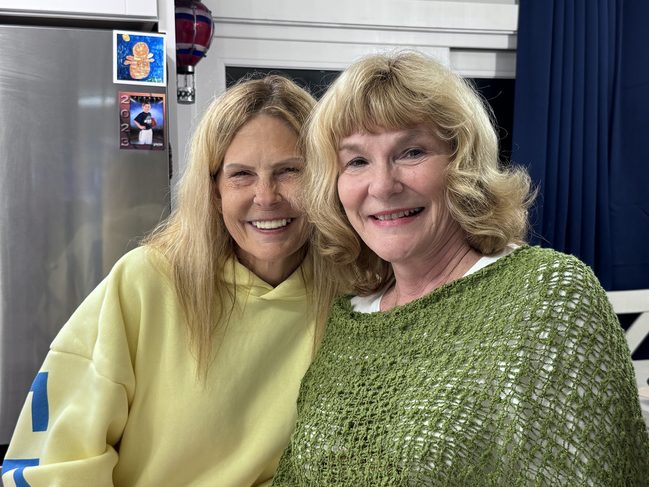
We were up early and had breakfast at the inn. After devouring our breakfast, we headed to Colleen’s house and met up with Colleen and Cassie. As an added surprise, both Jon and Sarah joined us for the day!
We departed Dover for the Wright Museum of WWII at 77 Center St, Wolfeboro, NH 03894. The drive was a bit wet, but the colors made up for the moisture.

After 45 minutes,s we arrived at the museum and made a complete tour. In 1994, the Wright Museum of World War II opened in Wolfeboro, New Hampshire, created by its visionary founder, the late David Wright. For thirty years and counting, this educational institution has fulfilled David’s dream of fostering public understanding and appreciation of the exceptional contributions made by World War II-era Americans on the home front and on the battlefields.
Their vision is to be the preeminent history museum that preserves and promotes a comprehensive understanding and appreciation of the enduring contributions made by World War II-era Americans.

The museum’s docents introduced us.

They had a room devoted to recreating “Life In The 1940s,” including the soda fountain!

The displays were first-class! Jon had fun looking at the post office and its PO Boxes.

The museum recreated many 1940s scenes, including an ice cream parlor, a typical living room, a repair shop, and a pharmacy!
People are clever! They turned the model-T into a ski machine!

The WWII period is highlighted every year from 1939 through 1945. Each room had data and pictures from that decade.

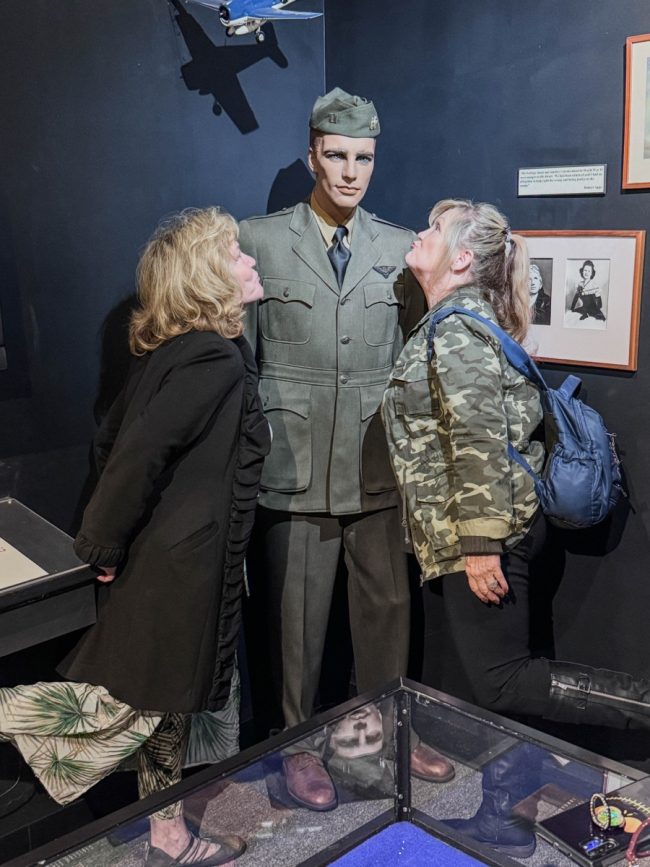
The girls always fall for the boys in uniform!
The museum was a lumberyard, and when they converted it into a museum, they used the high bay to store and display cars, trucks, tanks, and airplanes.


The tanks can be driven around today; everything is in running condition.

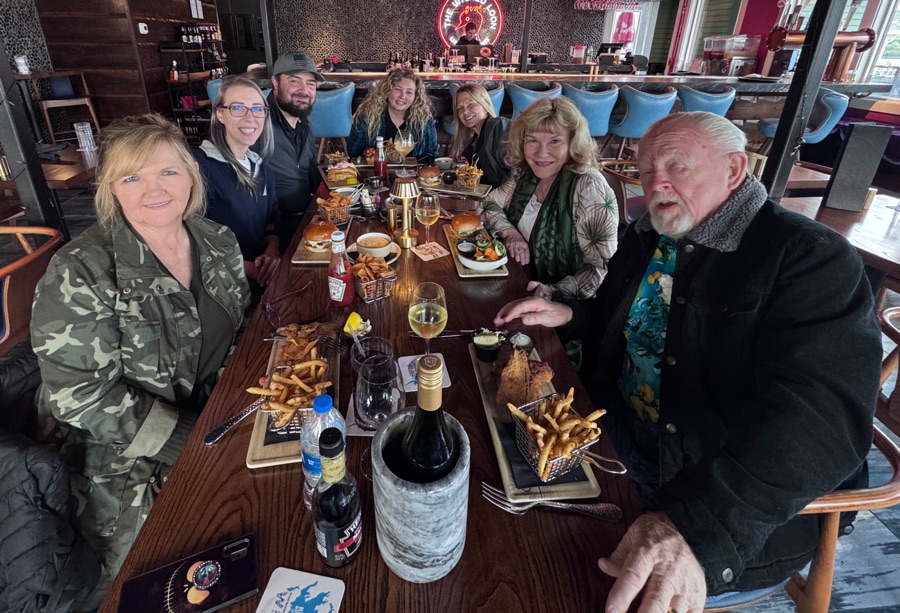
From the museum, we went to lunch at the Wicked Lune. Lunch was a riot, with oysters flying everywhere.


After lunch, we headed to the candy store Lickee’s and Chewy’s, where everyone went wild! Lickee’s & Chewy’s Candies & Creamery is a one-of-a-kind, award-winning, medieval-themed candy store, chocolate factory & ice cream/dessert restaurant featuring nearly 5,000 sq ft of candies and chocolates from around the world, housed in a 200-year-old mill in downtown Dover, New Hampshire.
The store is named after Lickee, the knight, and Chewy, the dragon from the Kingdom of Caramelot, and features the giant Kingshake, an extra-large, themed ice cream shake loaded with special toppings, built for a King or Queen. Our ice cream and dessert choices also include 28 flavors of locally made ice cream and sorbet, custom shakes, sundaes, chocolate-covered ice cream sandwiches, soft serve with handmade chocolate dips, shaved ice, French macarons, cheesecakes, and more.
They have one of the largest candy selections in New England with over 200 bulk candies, gummies, and Jelly Belly jelly beans; imported British and European chocolates, high-quality non-GMO, gluten-free Swedish gummies made with real sugar, Japanese sweets, Harry Potter candies, classic nostalgic candies, British/French and German hard candies, 100s of PEZ, and much, much more.
Lickee’s & Chewy’s also produces numerous handmade chocolates, caramels, truffles, chocolate bars, peanut butter cups, toffees, fudge, specialty cookies, stroopwafels, and our famous caramel apples (made only with handpicked honey-crisp apples covered in our handmade caramel)


We had ice cream for dessert, then headed to Colleen’s house to pick up our car and head home for the evening. Everyone was tired!

Once we returned to the hotel, we had tea and crashed around 8:00 pm. It has been a good day!!

Day 1 Day 2 Day 3 Day 4 Day 5 Day 6 Day 7 Day 8 Day 9 Day 10 Day 11 Day 12