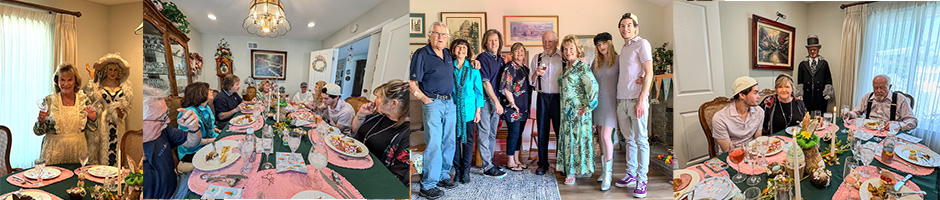

We were up and running early. We had breakfast at the inn, and Robin joined us around 8:45 am.

We drove over to Colleen’s home, and she drove us to Salem (the spooky place). Salem, Massachusetts, is a historic coastal city north of Boston, best known for the Salem Witch Trials of 1692, when fear and accusations led to the execution of 20 people. Today, Salem is a popular tourist destination with museums, historic homes, waterfront areas, and a strong focus on Halloween and witch-trial history.

It also has an important maritime past, once serving as a major trading port in early America. Key attractions include the Salem Witch Museum, The House of the Seven Gables, Peabody Essex Museum, and historic downtown Salem.
From the fourth floor of the parking structure, I captured the local church, one of many!!

We headed to the Salem Witch Trial Museum. The Salem Witch Museum in Salem, Massachusetts, explains the history of the 1692 Salem Witch Trials, when fear, superstition, and accusations led to the imprisonment and execution of innocent people.
The museum’s main exhibit uses dramatic narration, lighting, and life-sized figures to tell the story of the trials. It also features an exhibit on how ideas about “witches” have changed over time, highlighting connections to stereotypes, fear, and scapegoating.
Overall, the museum presents the witch trials as a warning about mass hysteria, injustice, and the dangers of accusing others without evidence.

After a short wait, we headed inside through the gift store.

Inside the theater, there were many displays that a narrator explained.
The Salem Witch Trials started in 1692 in Salem Village, Massachusetts, when several young girls began having strange fits—screaming, contorting their bodies, and claiming they were being harmed by invisible forces.
The first girls involved included Betty Parris and Abigail Williams, who were connected to the household of the local minister, Samuel Parris. When doctors could not explain their symptoms, some people concluded they were victims of witchcraft.
Under pressure, the girls accused several people of bewitching them, including:
- Tituba, an enslaved woman in the Parris household
- Sarah Good, a poor woman
- Sarah Osborne, an older woman involved in local disputes
These accusations spread quickly because Salem was already full of religious fear, local conflicts, political tension, disease, war anxiety, and suspicion of outsiders. Once the legal authorities accepted “spectral evidence”—claims that a person’s spirit had attacked someone—the accusations grew into a much larger panic.

We departed the museum and headed to lunch at Rockafellas. On the way, we stopped at several gift stores.
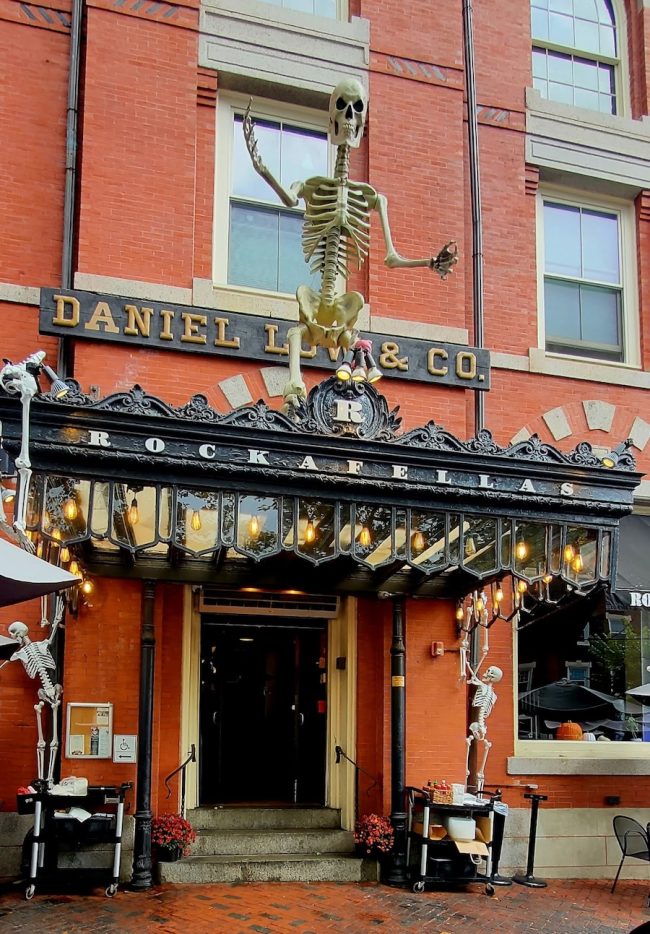
Inside, we had several Halloween drinks. We staggered back to the car (Colleen was the DD, so she didn’t drink anything).

We loved the ceiling decorations!
We hopped back into the car and stopped several times again to take pictures and visit shops!


We enjoyed the people walking in their costumes well ahead of October 31st. Salem is an interesting town!!
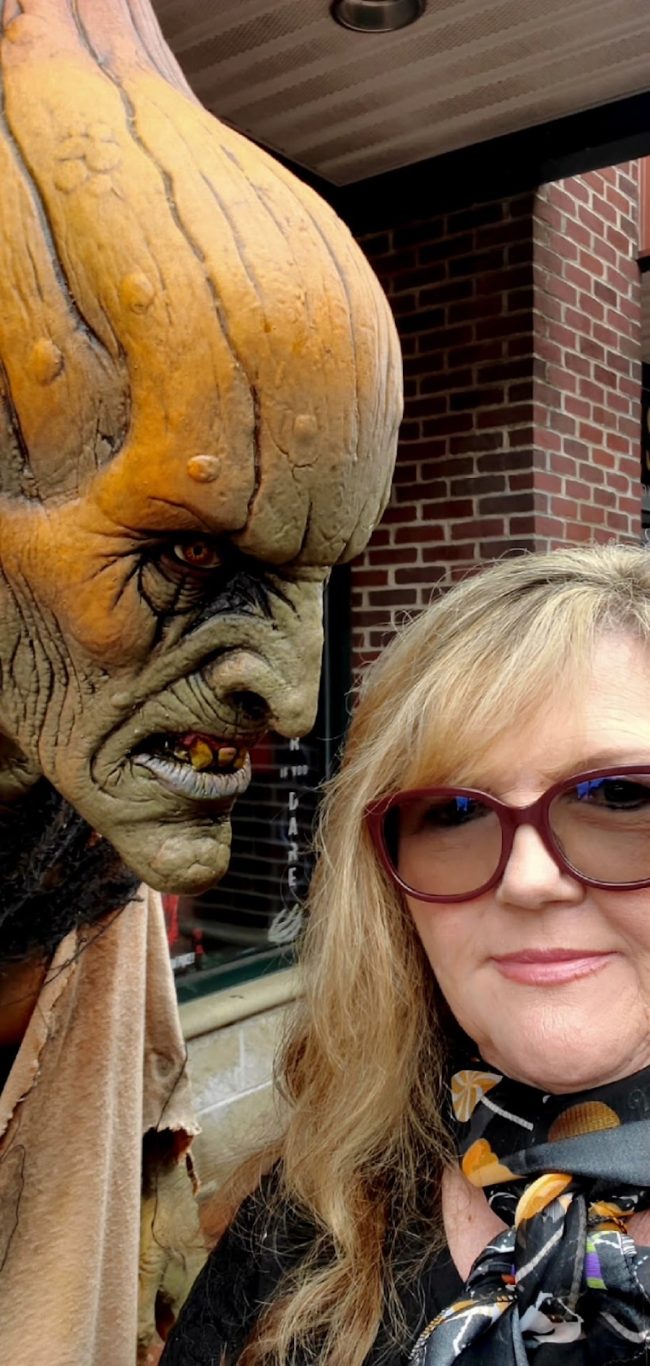

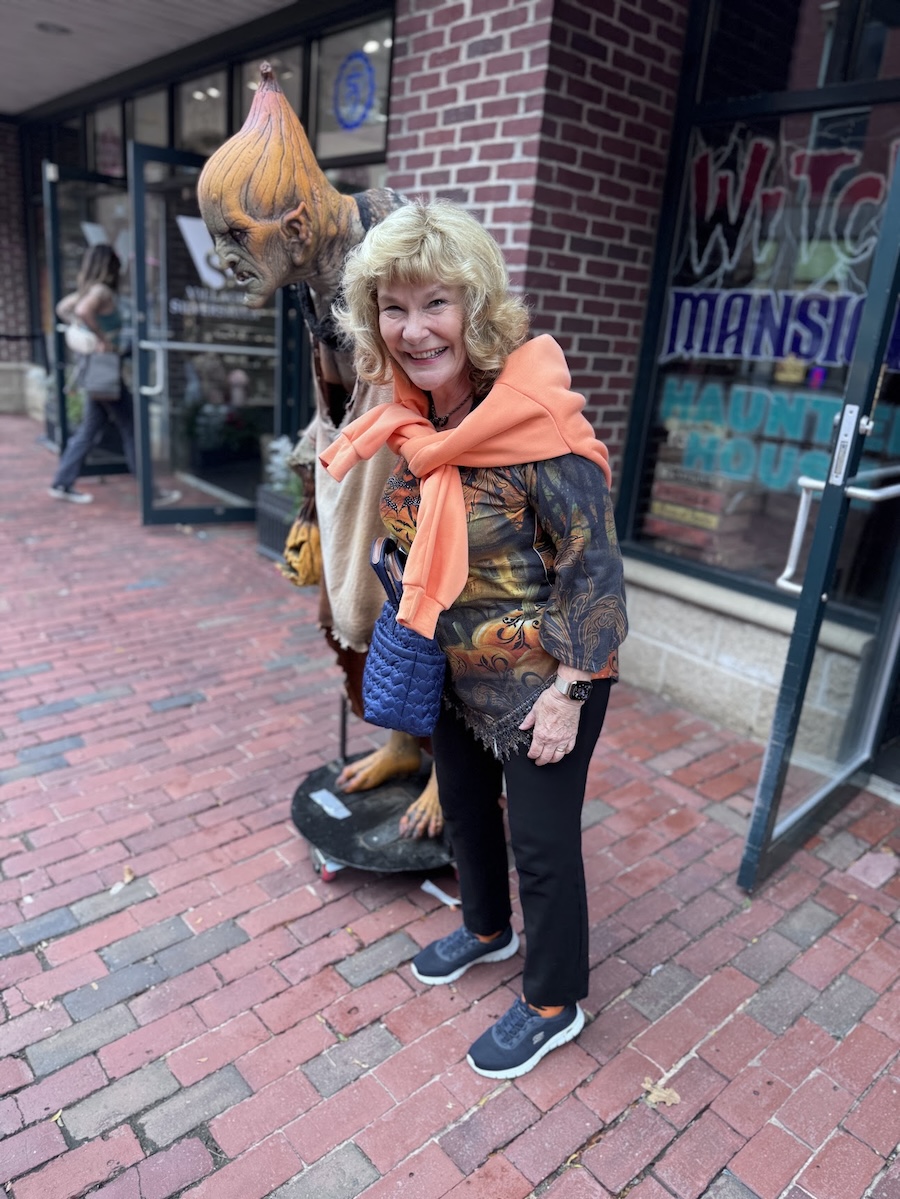

We headed home and passed by a lot of old home dating back hundreds of years.

