Follow The Sign
Yes... Another fun fill evening of cavorting and adult activities... What can YOU do with a Styrofoam container?? Who has a shoe fetish?? Who is wearing blue drawers (rumor only)???

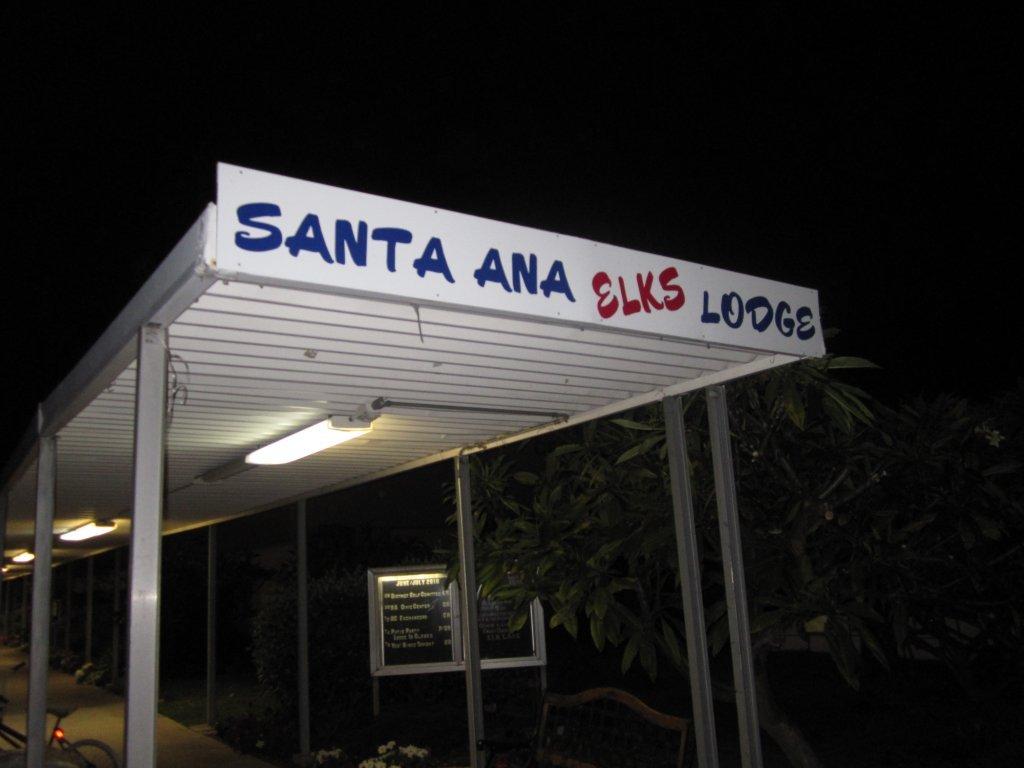
Welcoming us inside!
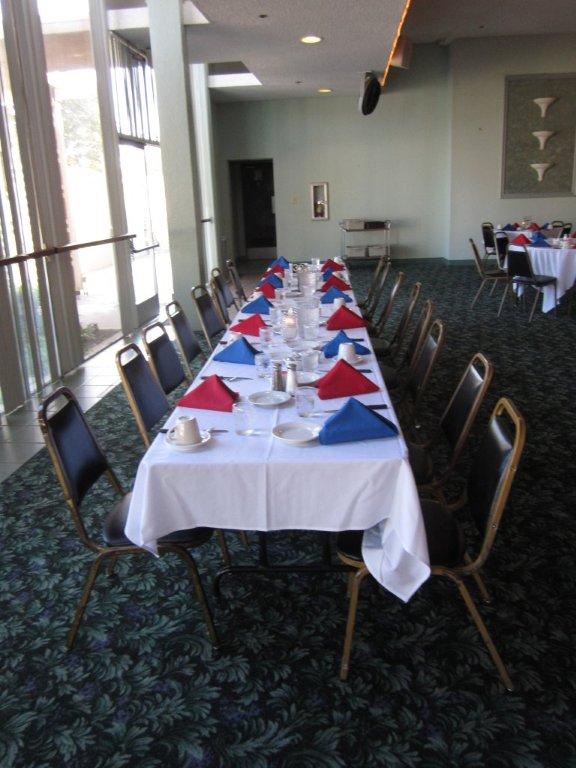
The tables are set up for Independence Day!
Did you know? - During the American Revolution, the legal separation of the American colonies from Great Britain occurred on July 2, 1776, when the Second Continental Congress voted to approve a resolution of independence that had been proposed in June by Richard Henry Lee of Virginia. After voting for independence, Congress turned its attention to the Declaration of Independence, a statement explaining this decision, which had been prepared by a Committee of Five, with Thomas Jefferson as its principal author. Congress debated and revised the Declaration, finally approving it on July 4. A day earlier, John Adams had written to his wife Abigail:
"The second day of July, 1776, will be the most memorable epoch in the history of America. I am apt to believe that it will be celebrated by succeeding generations as the great anniversary festival. It ought to be commemorated as the day of deliverance, by solemn acts of devotion to God Almighty. It ought to be solemnized with pomp and parade, with shows, games, sports, guns, bells, bonfires, and illuminations, from one end of this continent to the other, from this time forward forever more."
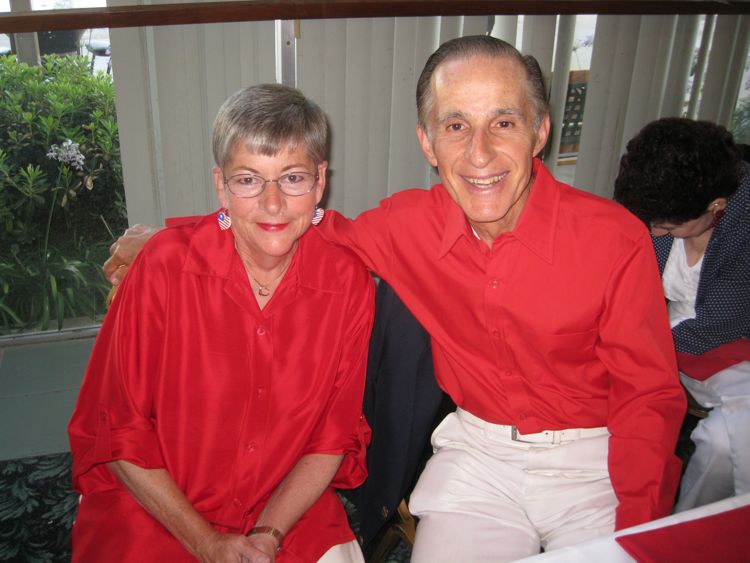
The Bobbsey Twins
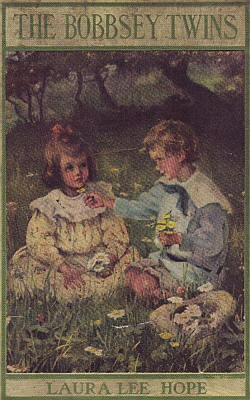
Did you know? - The Bobbsey Twins are the principal characters of what was, for many years, the Stratemeyer Syndicate's longest-running series of children's novels, penned under the pseudonym Laura Lee Hope.
The first of 72 books was published in 1904, the last in 1979. The books related the adventures of the children of the middle-class Bobbsey family, which included two sets of fraternal twins: Bert and Nan, who were 12 years old, and Flossie and Freddie, who were six.
Edward Stratemeyer himself is believed to have written the first volume in its original form in 1904. When the original series was brought to its conclusion in 1979, it had reached a total of 72 volumes. At least two abortive attempts to restart the series were launched after this, but neither effort saw the popularity that the original series achieved.
In 1960, the Stratemeyer syndicate began to rewrite most of the older volumes, many of which became almost unrecognizable in the process.
Most of the rewrites were motivated by changing technology (automobiles replacing horses and buggies) or changing social standards, particularly in how Sam and Dinah were portrayed. The Bobbsey Twins and Baby May received what is regarded as the most extreme rewrite; it is a story about the Bobbsey family's adventures trying to find the parents of a foundling baby. Since, by the 1960s, modern social services had rendered the original story utterly implausible, an entirely new novel was written about the twins' adventures with a baseball-playing baby elephant (The Bobbsey Twins' Adventures with Baby May).

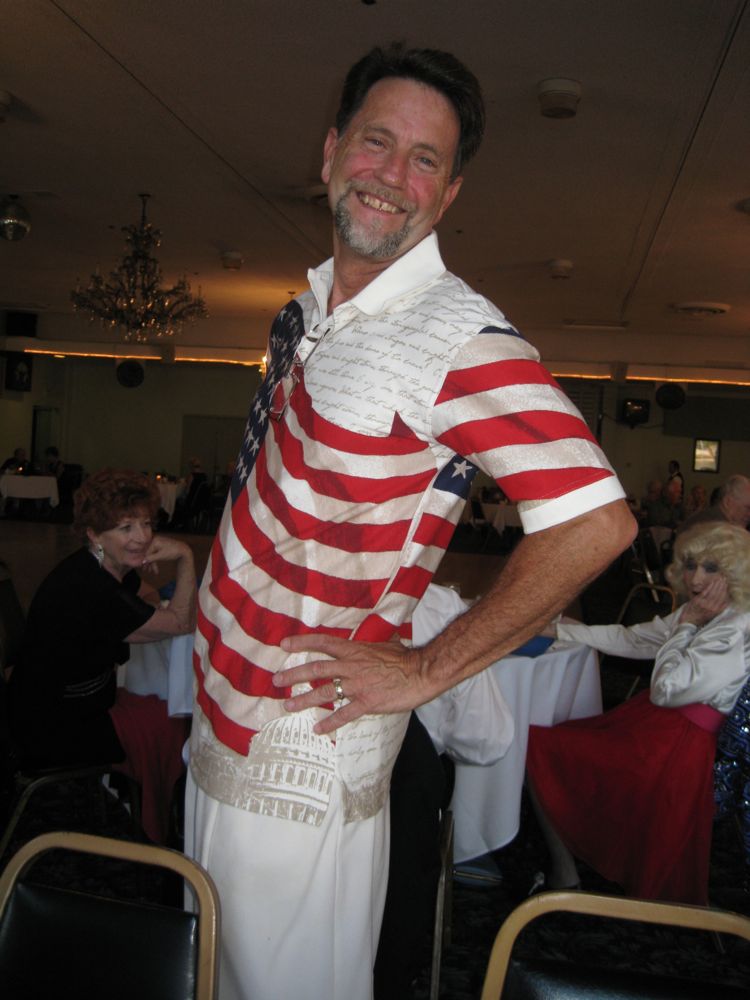
Bob makes a fashion statement! Look at Raeann's expression! What is she thinking??

Brian and Jan being accosted by Bob!

Ed is thinking.... "Why didn't I go Red, White, and Blue?"

Time to visit other fine folks from the UK
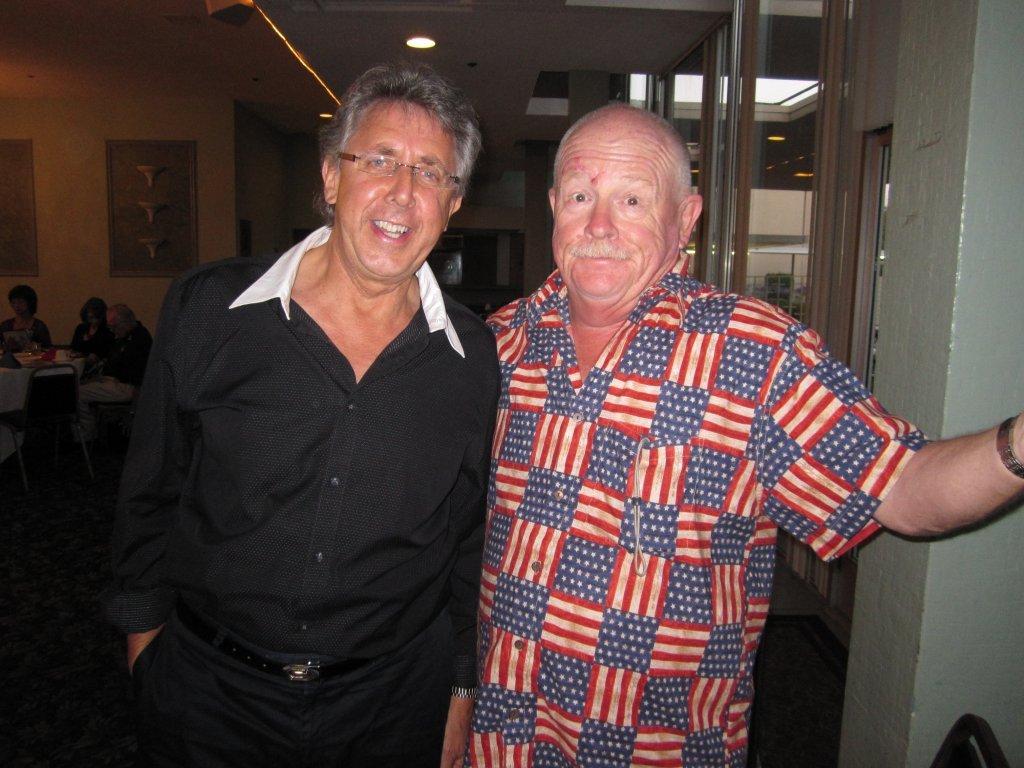
Brian and Paul exchange some levity!
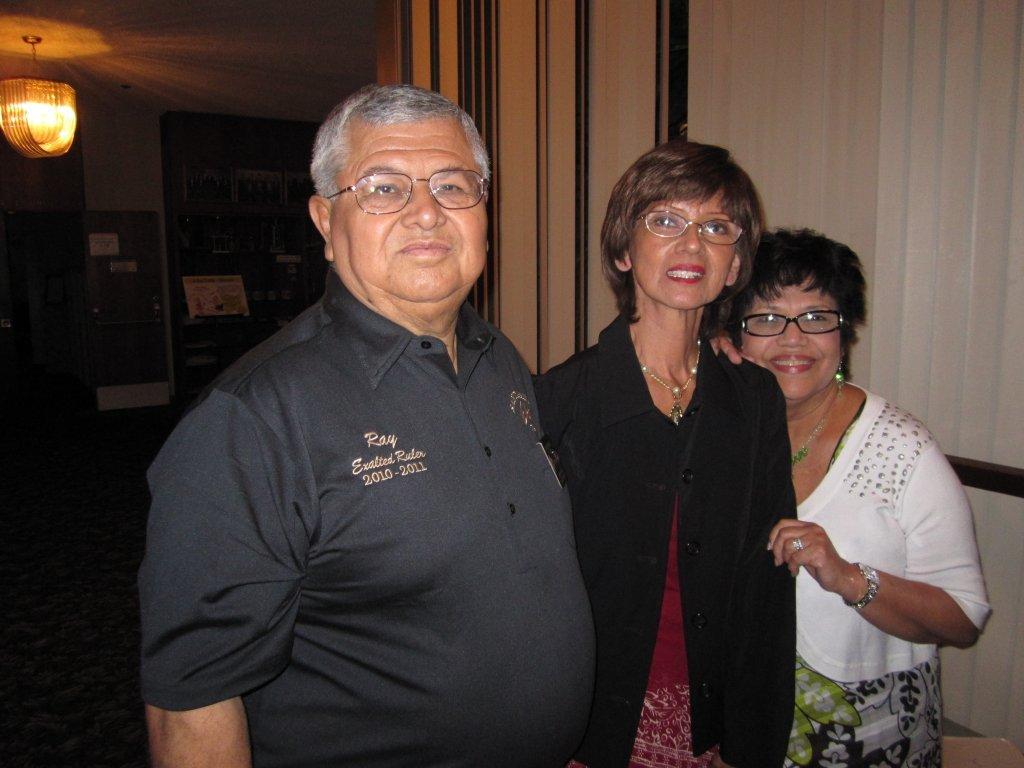
Ray (this years Exalted Ruler) came over to see what the hub-bub was all about!
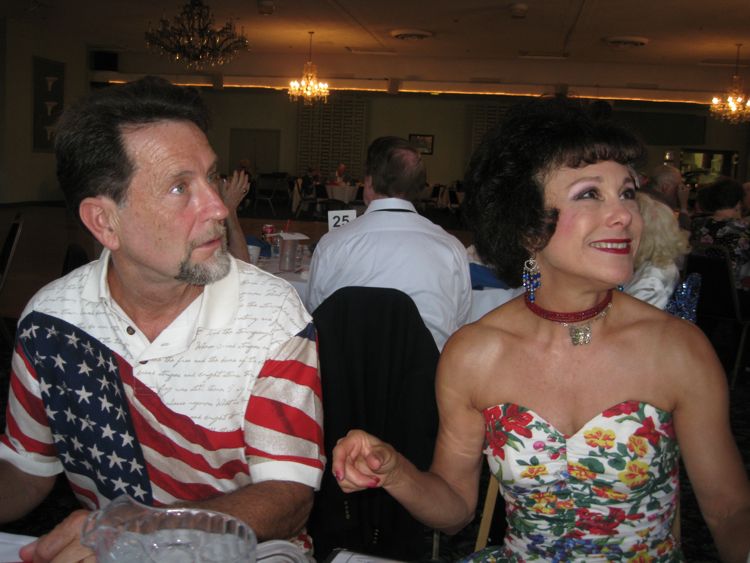
Ready for an evening of dancing

Wine is in and smiles are on!
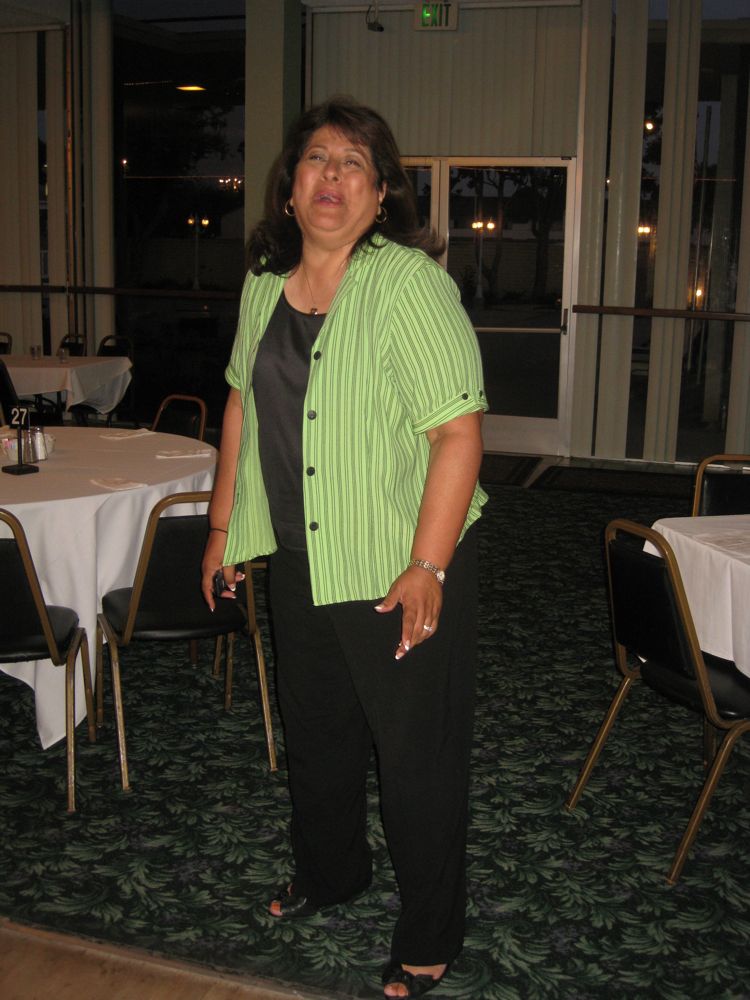
Caught! Look, she has her camera in her hand attempting to hide it!
Did you know? - Candid Camera is a hidden camera television series created and produced by Allen Funt, which initially began on radio as Candid Microphone June 28, 1947. After a series of theatrical film shorts, also titled Candid Microphone, Funt's concept came to television on August 10, 1948.
The format has appeared on network, syndicated or cable television in each succeeding decade, as either a regular show or a series of specials. Funt himself hosted or co-hosted almost all of the TV versions until a 1993 stroke from which he never recovered. Funt's son Peter Funt, who had co-hosted the specials with his father since 1987, is now the producer/host of the format.
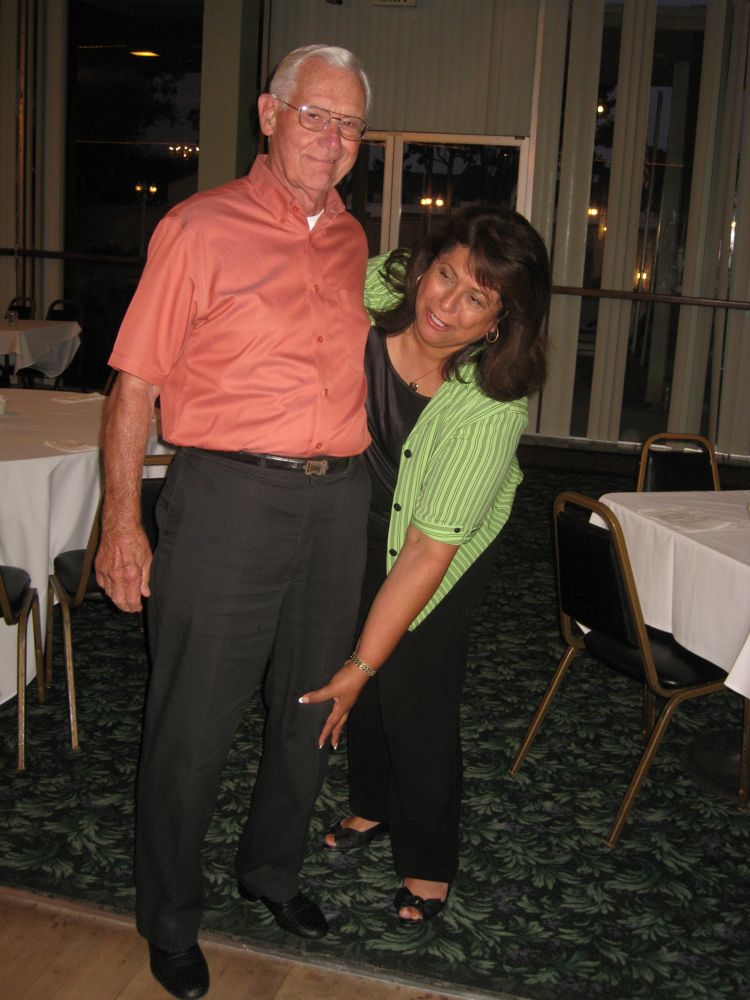
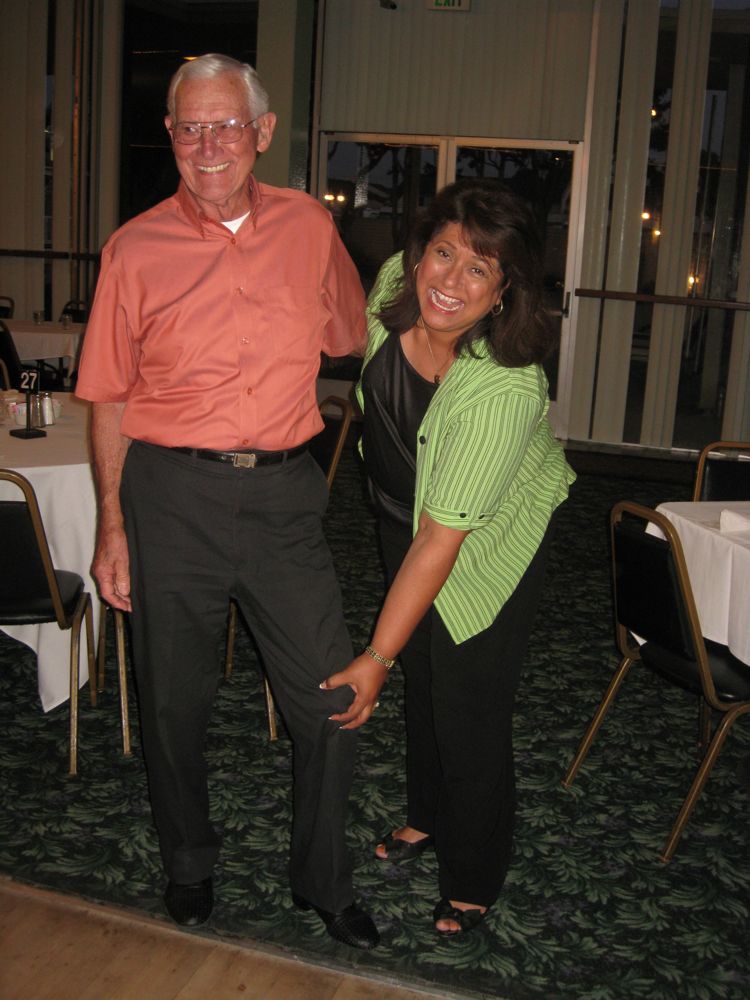
Victoria! This is a child-safe site!
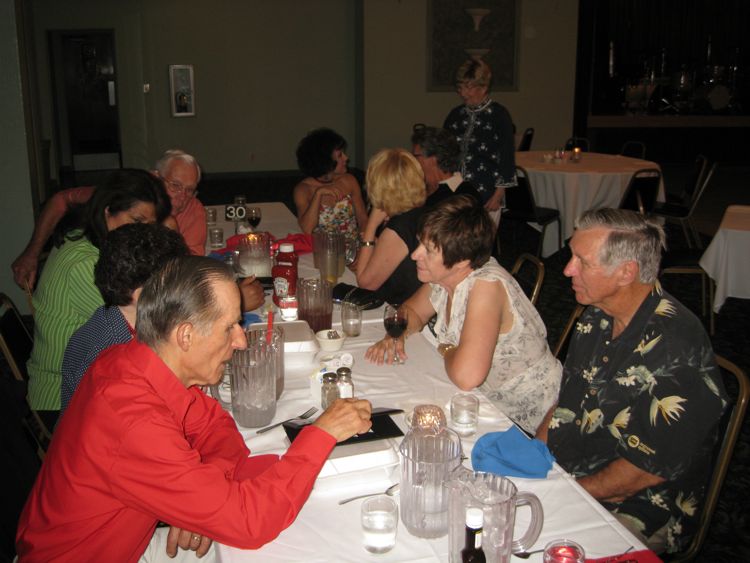
Looks like we haven't seen each other in months!
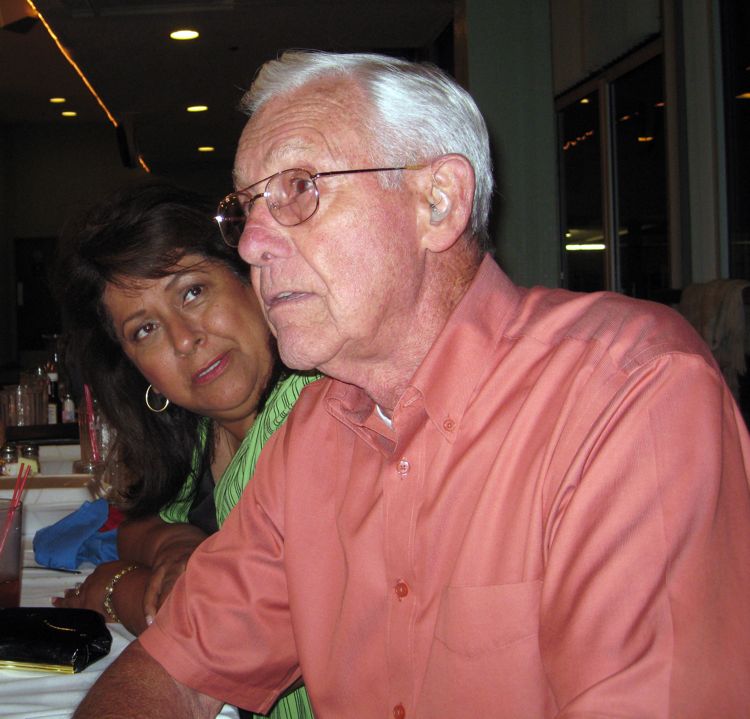
Vicky looks worried
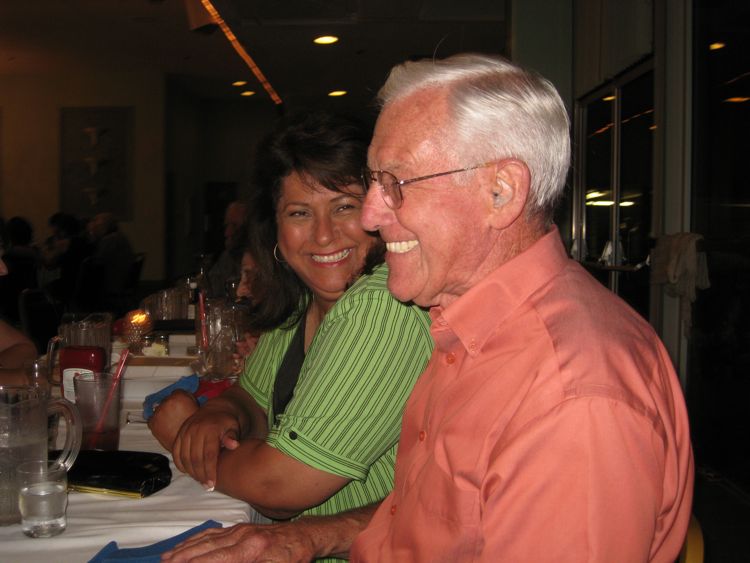
Nope... All is well
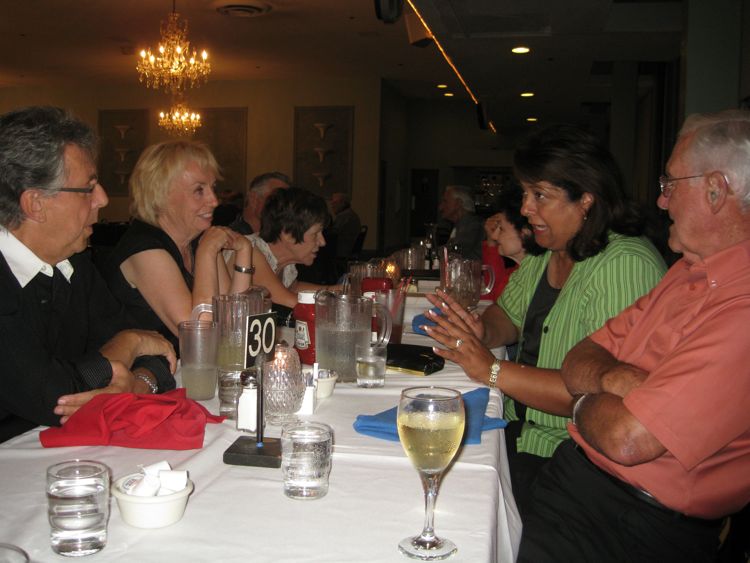
Vicky is translating Spanish into proper English english
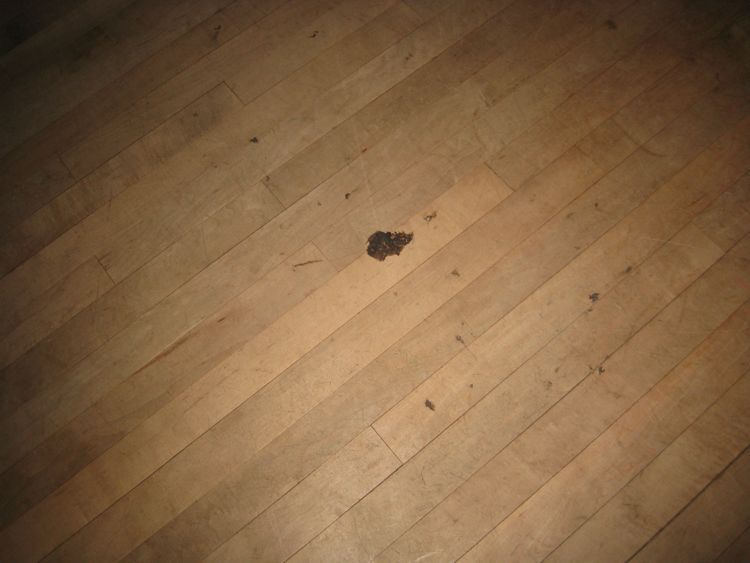
Someone is leaking? OK... Gum Check!
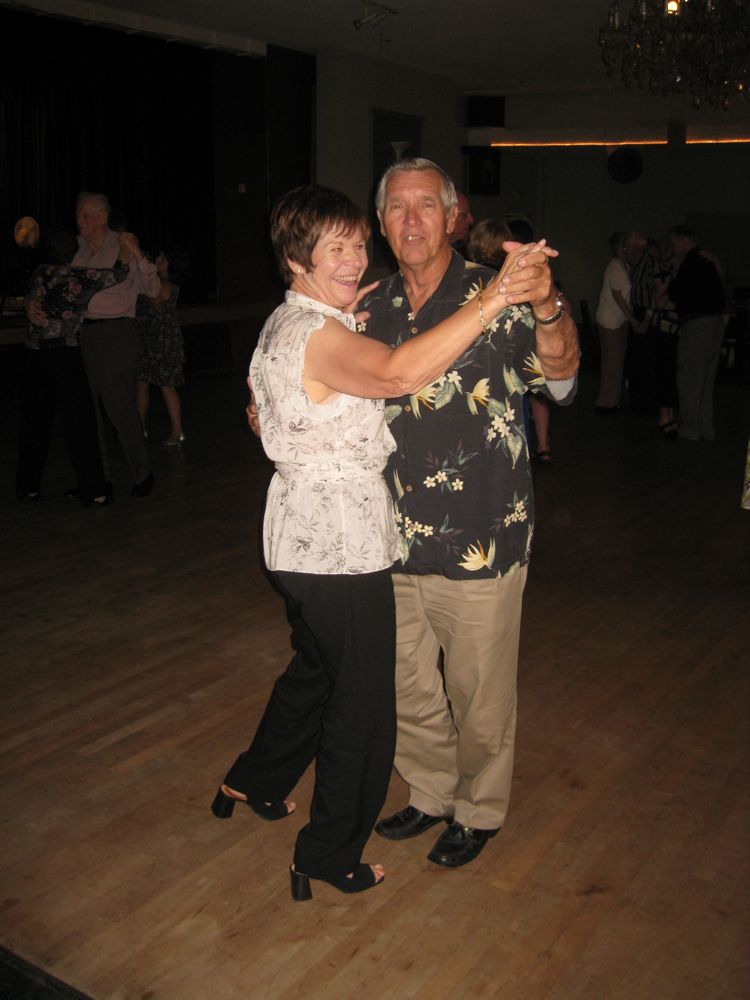
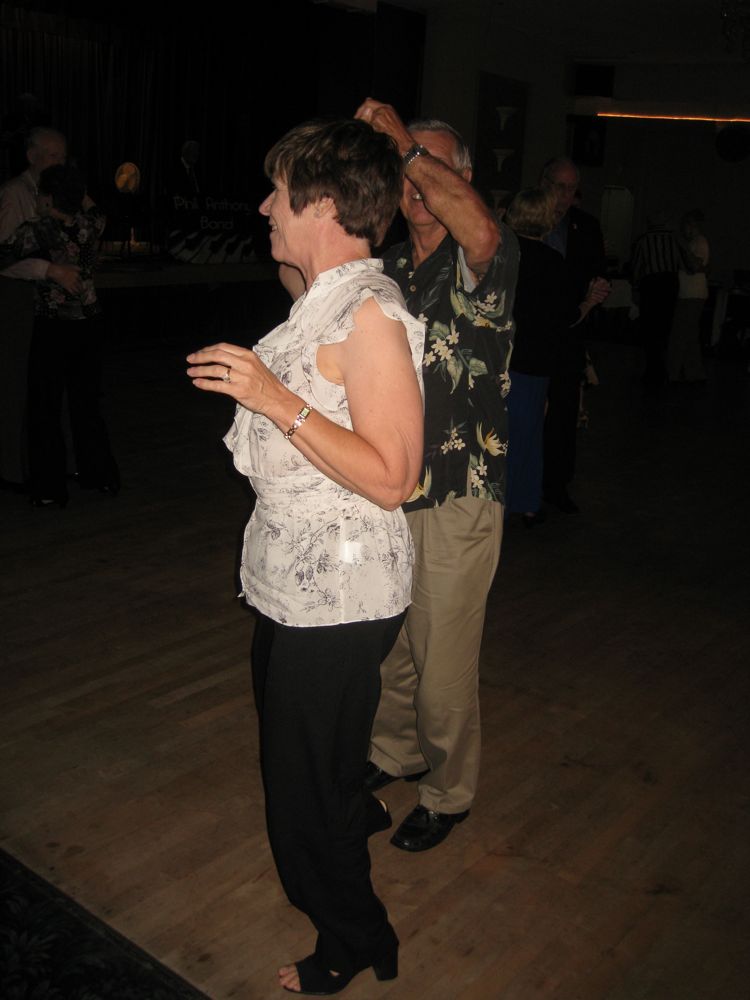
Twirling is a good thing
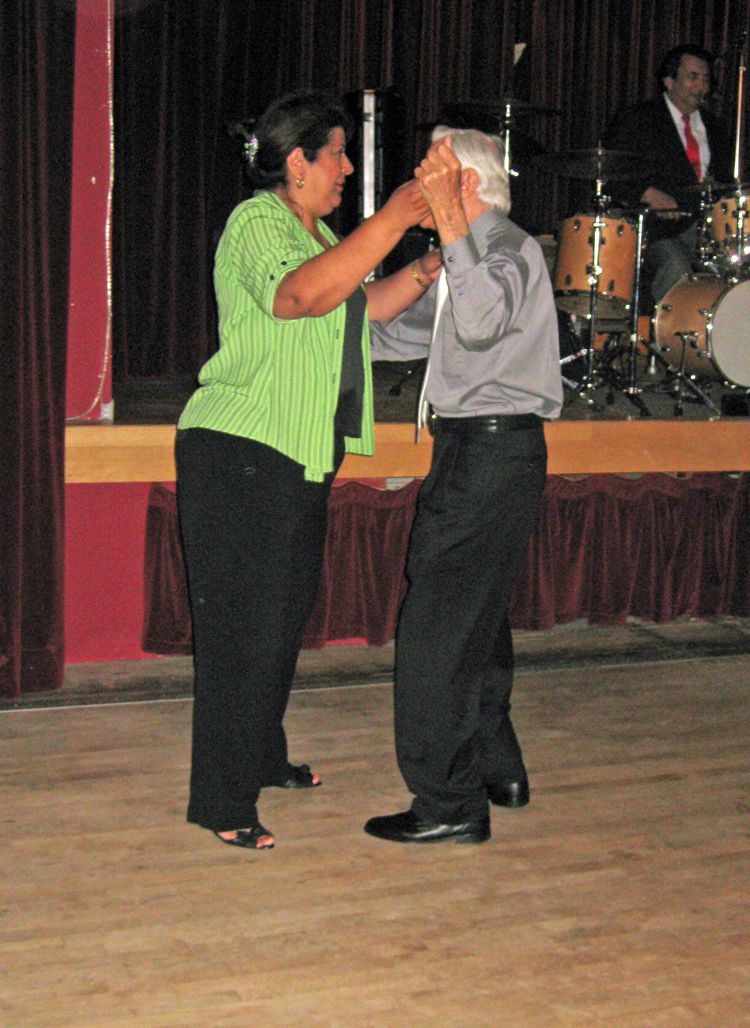
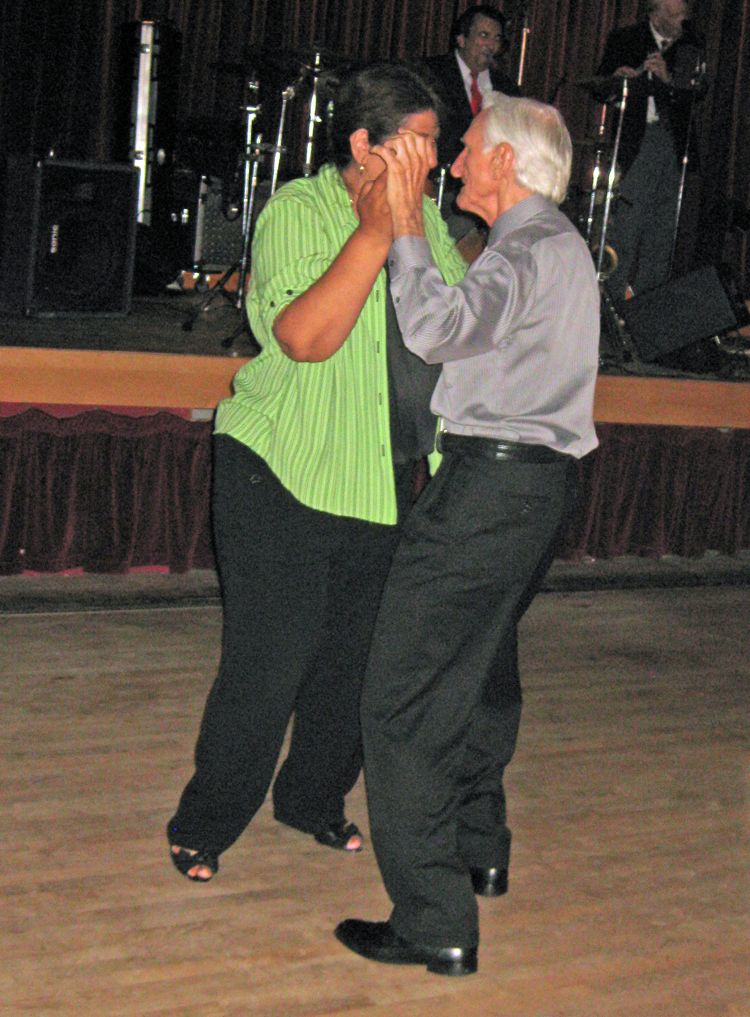
Bob and Vicky go dancing!


The latest English dance directly from the UK


Red, white and light blue! Although...
Rumor has it that Leon has blue drawers but no one wanted to check it out!


Watch out for flying parts!
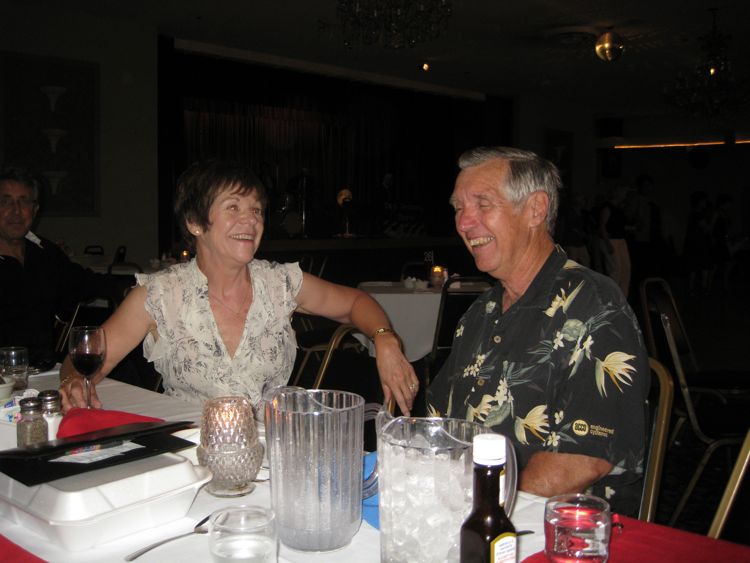
The giggles were had by all!
Did you know? - Giggling is a high-pitched, bubbly way of laughing. It is usually suppressed, resulting in short bursts of laughter. A giggle is often considered a very feminine laugh. Giggling is normally affiliated with laughing gas a dentist would administer. Giggling is often associated with small children. Also:
- Giggles is the nineteenth episode from the second season of The Little Mermaid (TV Series).
- The Giggle, a tool used in Phil of the Future.
- Giggles, a former British comic book that ran from 29 April 1967 to 13 January 1968 (38 Issues), when it merged with Buster.
- Giggles, the fictional chipmunk from Happy Tree Friends.
- Giggle is a lua based script language which is used at the Moving Picture Company for the manipulation of large asset data sets.
- Giggles, another nickname for giggle expert Tom Gorman.

Time for a glass of wine!
Make Way For The Line Dancers
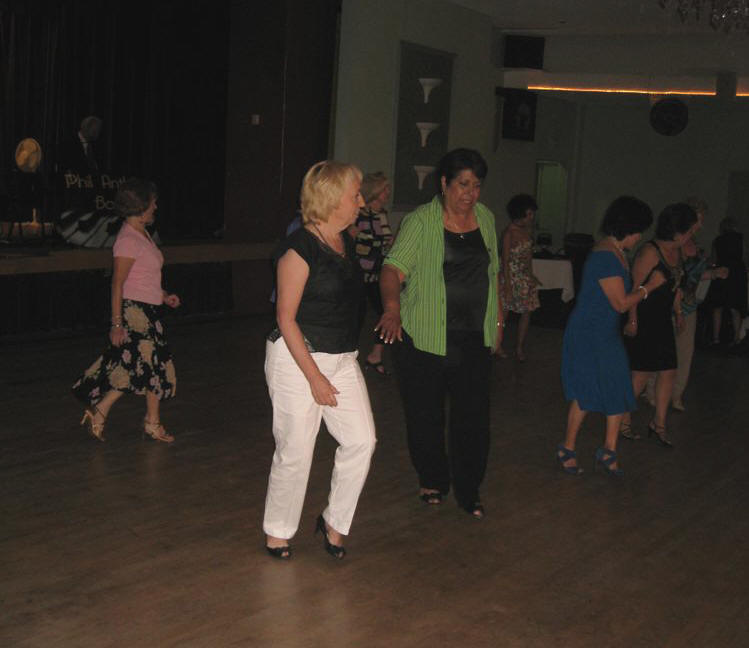
Did you know? - Billy Ray Cyrus' 1992 hit "Achy Breaky Heart", helped catapult western line dancing into the mainstream public consciousness. In 1994 choreographer Max Perry had a worldwide dance hit with "Swamp Thang" for the song of the same name by The Grid. This was a techno song that fused banjo sounds in the melody line and helped to start a trend of dancing to forms of music other than country. In this mid 1990s period country western music was influenced by the popularity of line dancing. This influence was so great that Chet Atkins was quoted as saying "The music has gotten pretty bad, I think. It's all that damn line dancing."
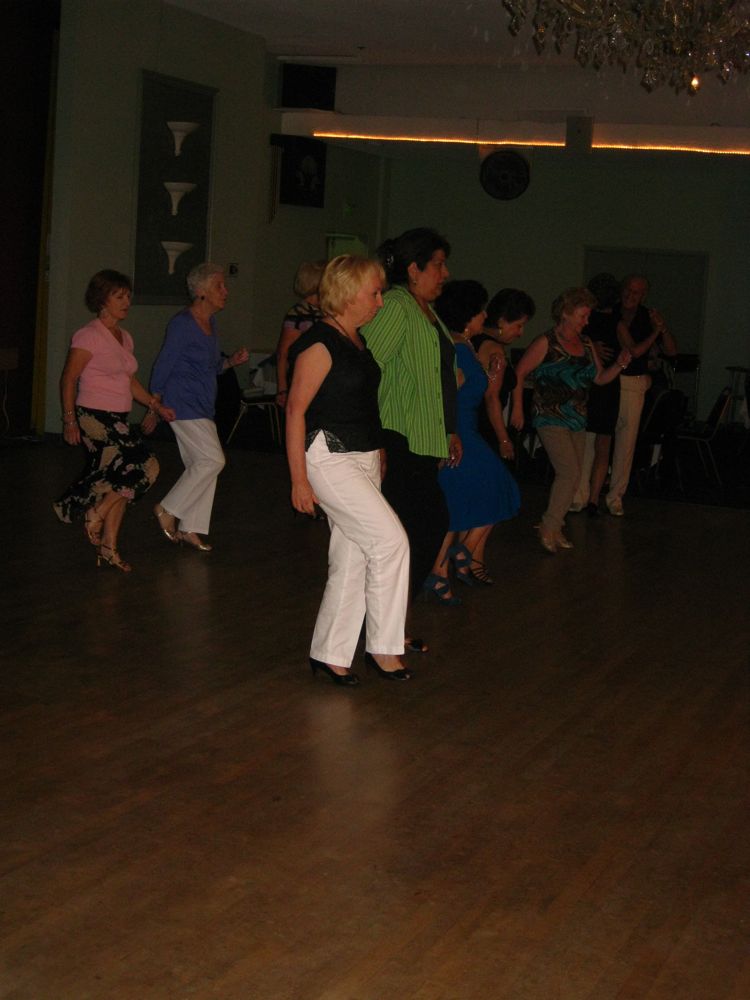
Put your little foot in... Put your little foot out
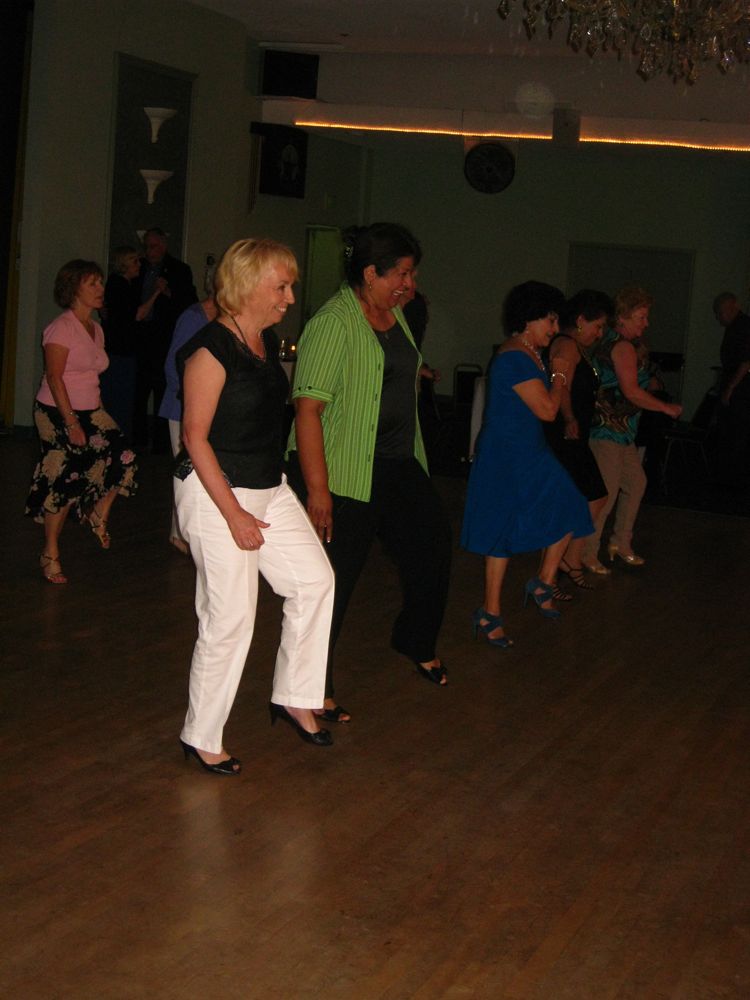
Looks like they are sneaking up on someone!
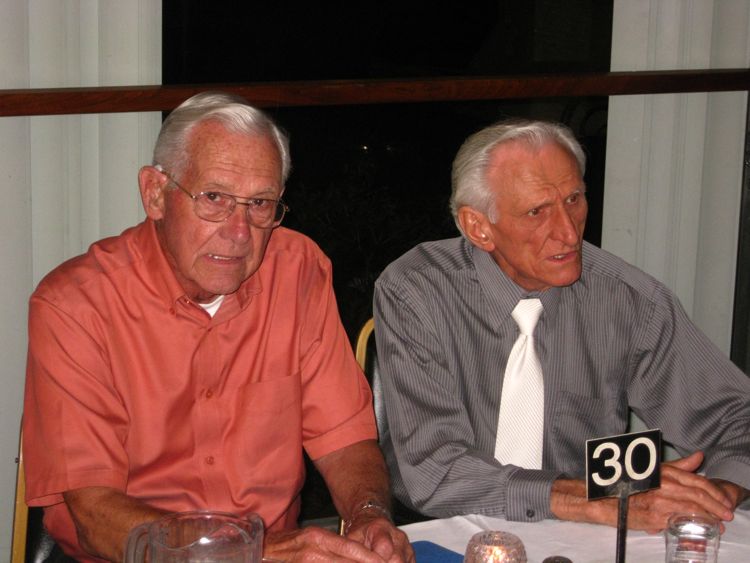
"What are they doing out there?" Bob looks worried
What Are These For??

Donna and Vicky are trying to explain line-dancing to the guys so the used glasses!
Yup! Paul is the wine glass, Donna is the short cup, and of course... Vicky is the brown glass of iced tea!
Back To Dancing
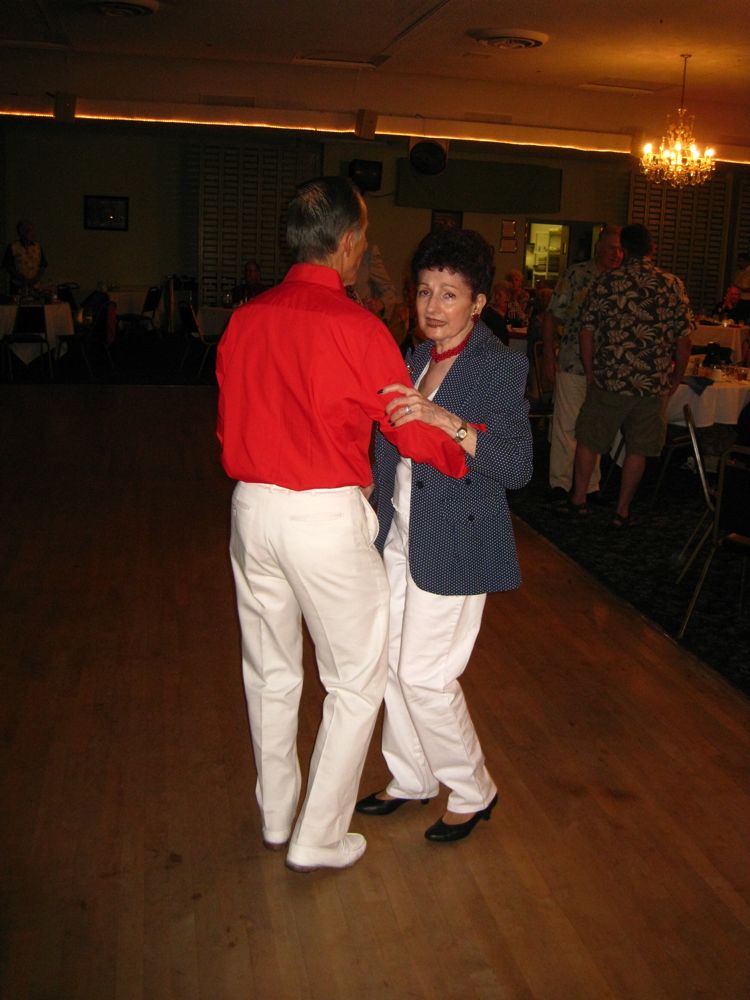
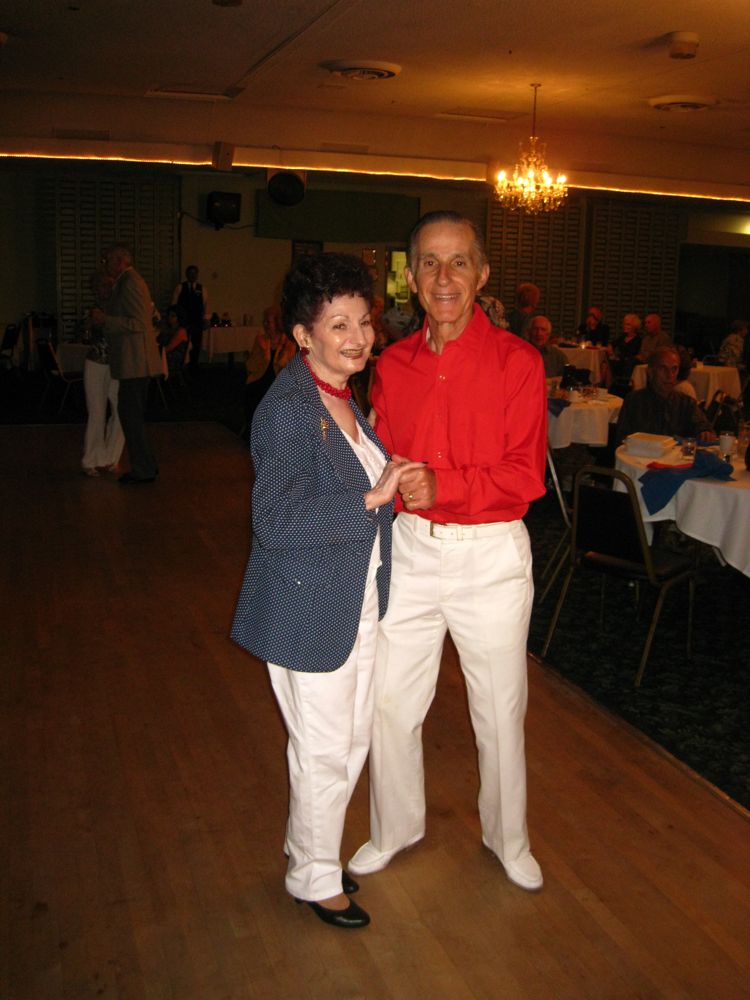
Dancing instruction provided for a minimal cost... Two pitchers of "Air On The Rocks"
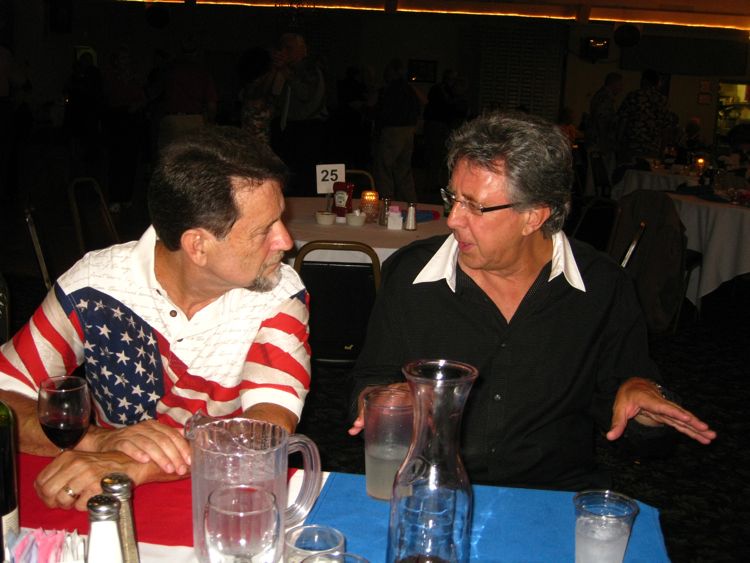
Brian is explaining how a duck walks
Three Steps To A Full Laugh!
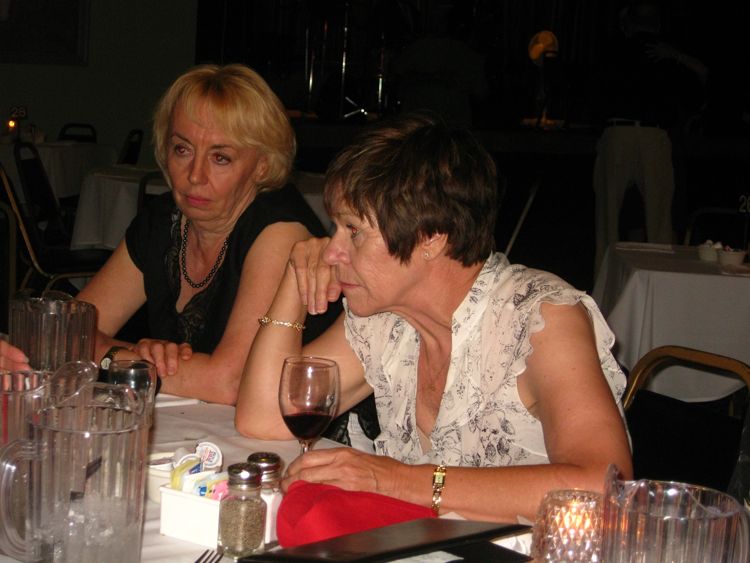
Step 1 - Listen intently like someone in our party is serious
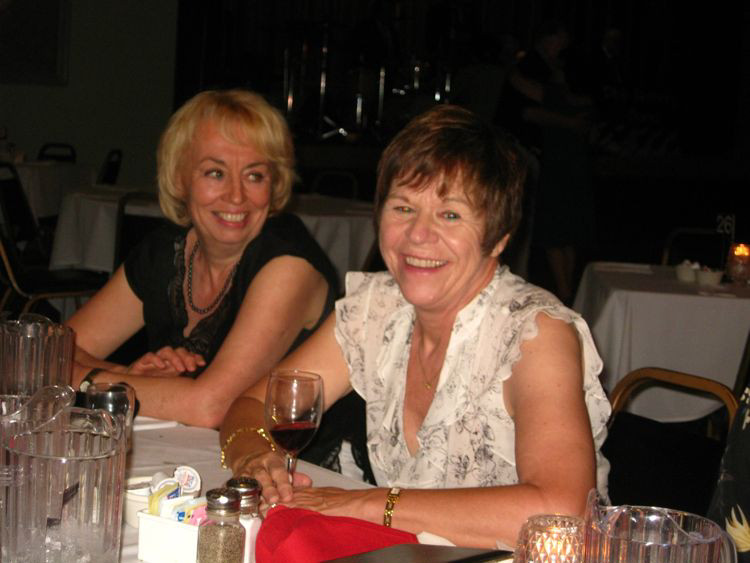
Step 2 - Process the statement and realize you done been had!
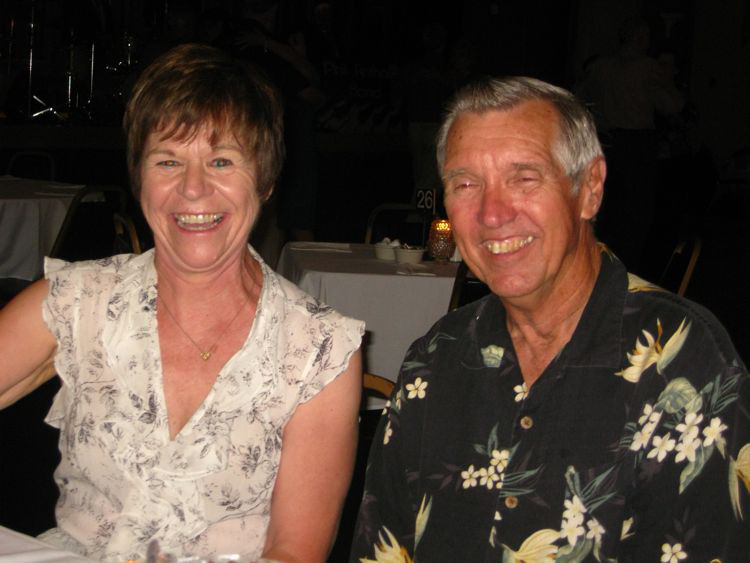
Step 3 - Join as everybody laughs or as we like to say "epiglottis constricting the larynx."
Did you know? - Laughter is an audible expression or the appearance of happiness, or an inward feeling of joy (laughing on the inside). It may ensue (as a physiological reaction) from jokes, tickling or other stimuli. It is in most cases a very pleasant sensation. Representation of laughter in "text talk" includes "hehe", "haha", "lol" or, when in an evil way, "muahahaha".
Laughter is found among various animals, as well as in humans. Among the human species, it is a part of human behavior regulated by the brain, helping humans clarify their intentions in social interaction and providing an emotional context to conversations. Laughter is used as a signal for being part of a group — it signals acceptance and positive interactions with others. Laughter is sometimes seemingly contagious, and the laughter of one person can itself provoke laughter from others as a positive feedback. This may account in part for the popularity of laugh tracks in situation comedy television shows.
Laughter is anatomically caused by the epiglottis constricting the larynx. The study of humor and laughter, and its psychological and physiological effects on the human body, is called gelotology.
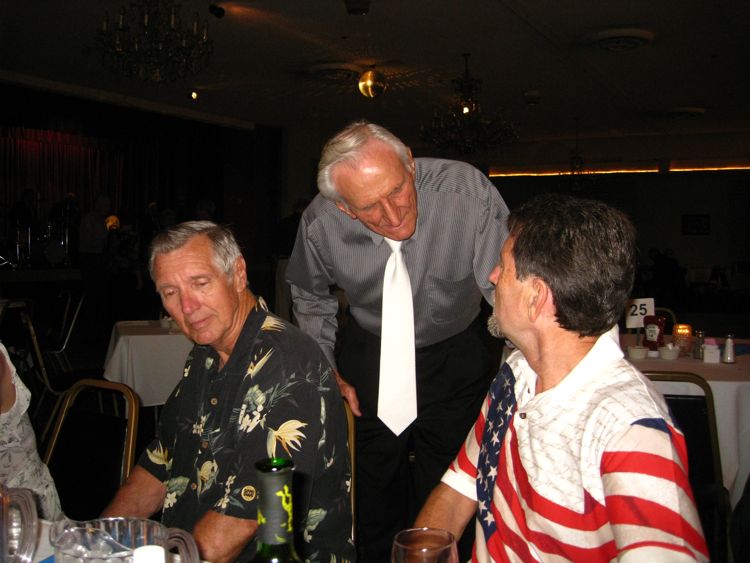
Look Donna... A clean white tie... Were are the magic markers???
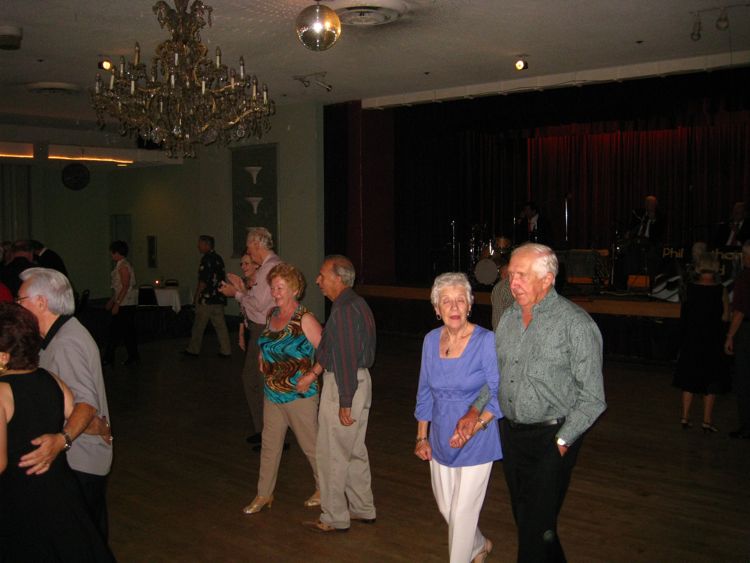
We had many people this evening but lighter than usual
What Does It Say?

Bob's shirt get careful examination by our panel of ______ (Fill in the blank)
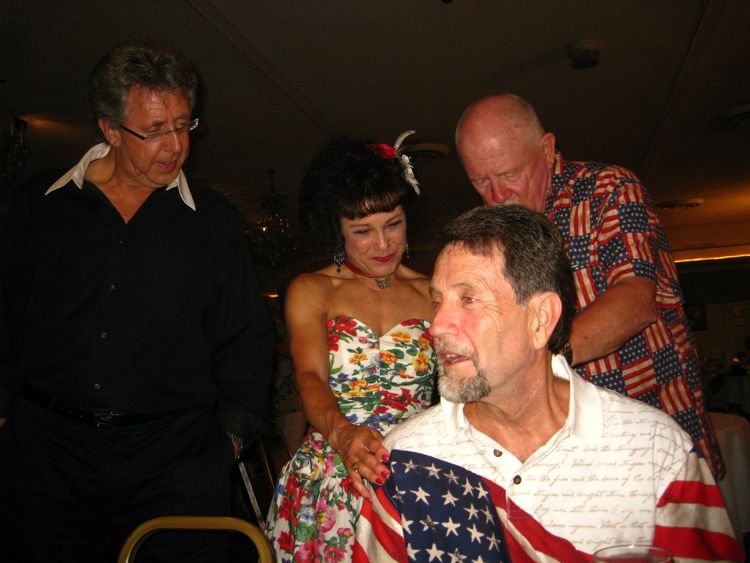
Ohh Ohh A little higher please!
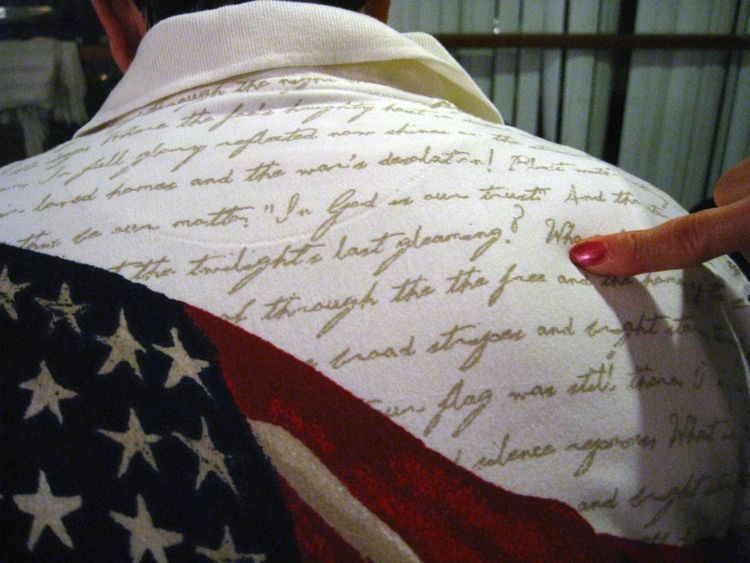
m-m-m-m-m-m Strings of unrelated phrases strung together
Ah ha... Maybe Bob wrote it himself!
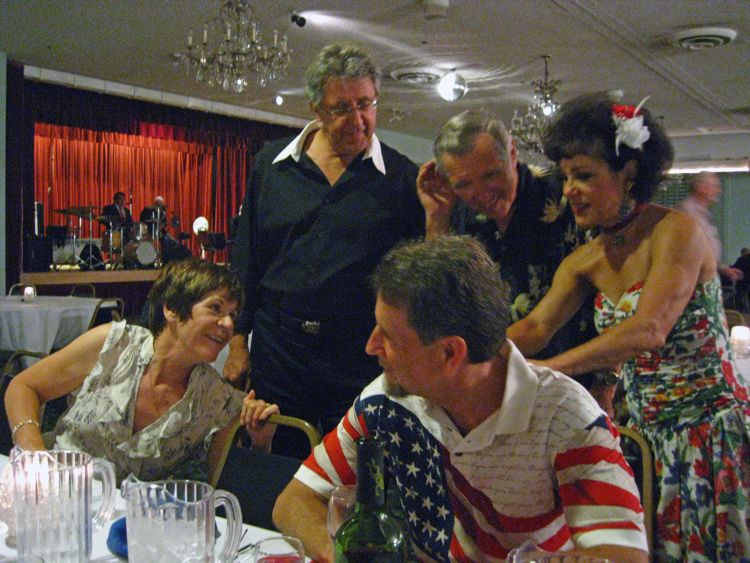
Kathy joins in to help decipher the code
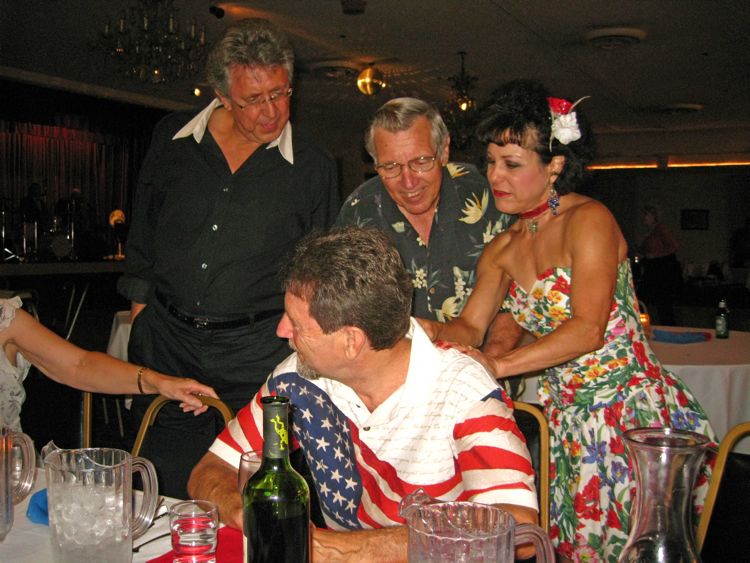
Ed now gives it a try

Kathy... "You can't fool me!"
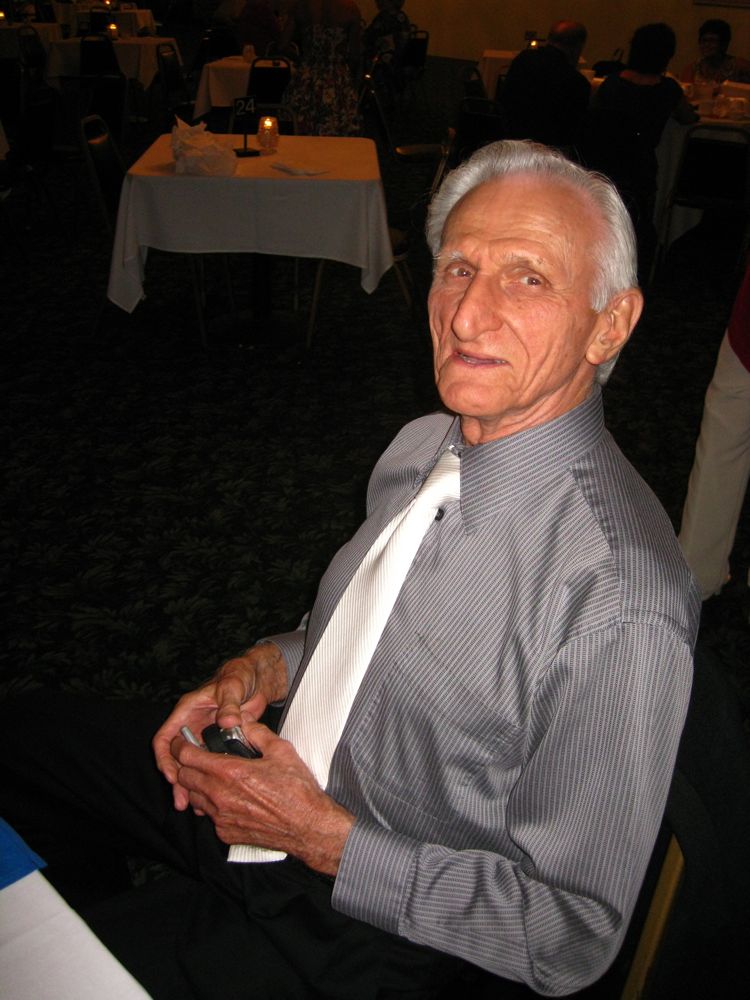
Meanwhile Bob is calling Sandy saying "Get me outta here!"
Thanks For The Memories...Someone Found The Camera
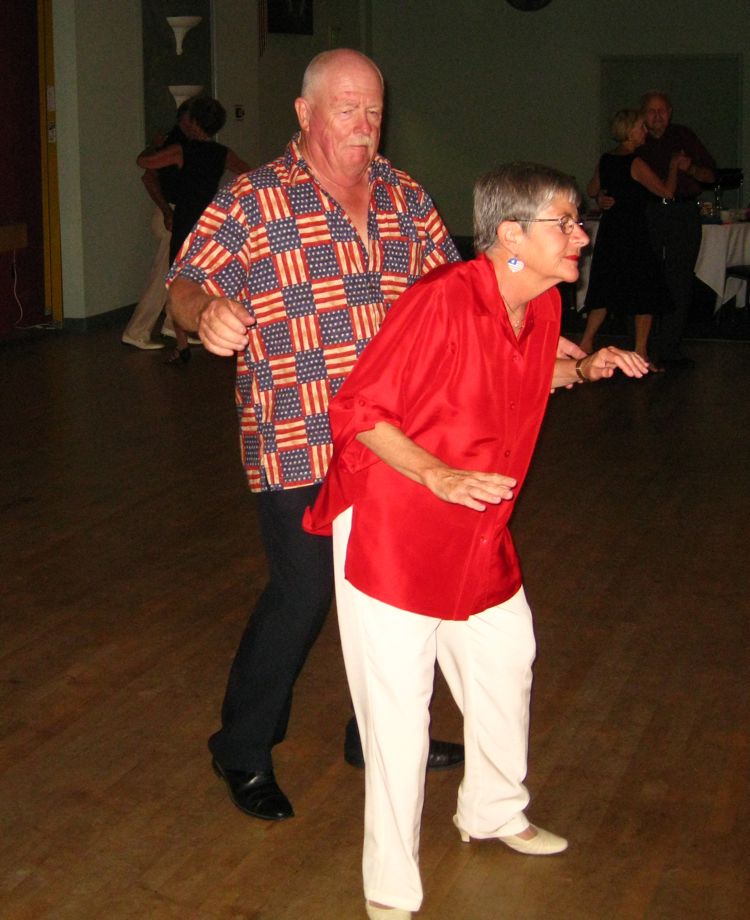
Zoooooming around the dance floor
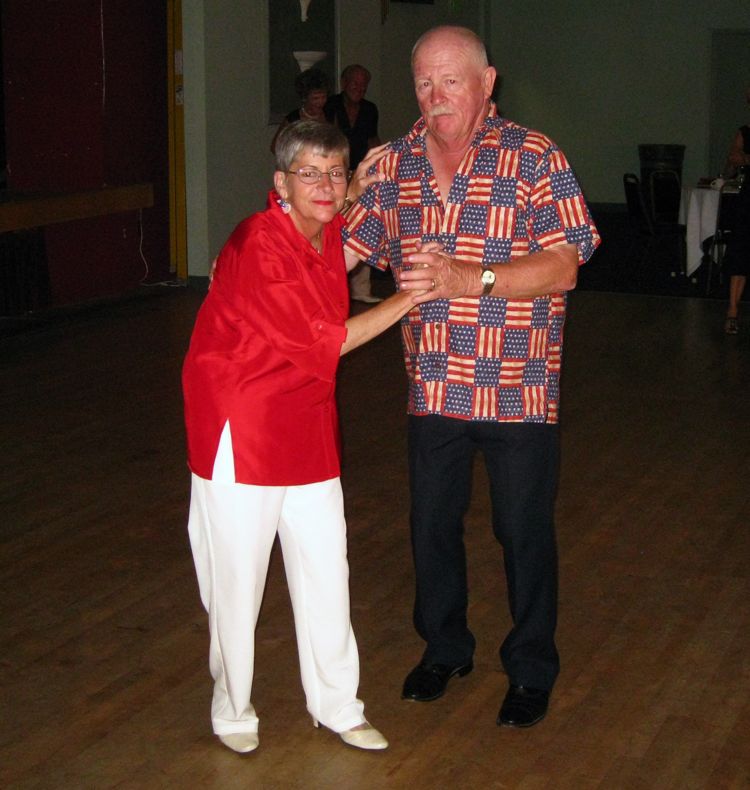
Swing position number one!
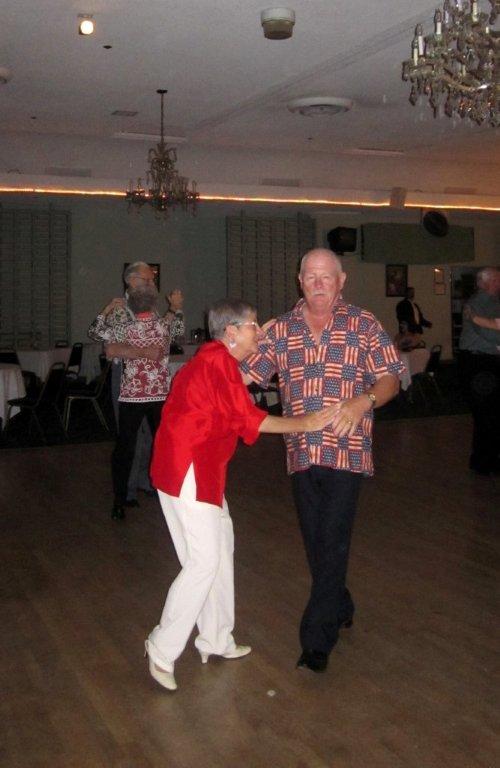
Tearing up the floor

Standby to twirl
Did you know? - In cryptography and number theory, TWIRL (The Weizmann Institute Relation Locator) is a hypothetical hardware device designed to speed up the sieving step of the general number field sieve integer factorization algorithm. During the sieving step, the algorithm searches for numbers with a certain mathematical relationship. In distributed factoring projects, this is the step that is parallelized to a large number of processors... HUH???


Kathy is brave... Look at those open toed shoes!
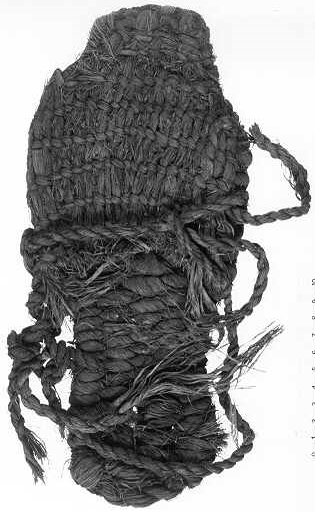
Kathy needs a pair of these
Did you know? - The earliest known shoes are sandals dating from about 8000 to 7000 BC and found in Oregon, USA in 1938. In 1938 archaeologist Luther Cressman (from the University of Oregon) excavated at Fort Rock Cave, located in a small volcanic butte approximately half a mile west of the Fort Rock volcanic crater in central Oregon. The Fort Rock Basin is the most northwesterly sub-basin of the Great Basin, Western North America's vast intermontane desert.
Cressman found dozens of sandals below a layer of volcanic ash, subsequently determined to come from the eruption of the Mt. Mazama volcano 7500 years ago. Named for the site where they were first found, Fort Rock-style sandals have since been reported from ancient deposits in several Northern Great Basin caves. The world's oldest leather shoe, made from a single piece of cowhide laced with a leather cord along seams at the front and back, was found in a cave in Armenia in 2008 and is believed to date to 3,500 BC.
Fort Rock sandals are stylistically distinct. They are twined (pairs of weft fibers twisted around warps), and have a flat, close-twined sole, usually with five rope warps. Twining proceeded from the heel to the toe, where the warps were subdivided into finer warps and turned back toward the heel. These fine warps were then open-twined (with spaces between the weft rows) to make a toe flap. Cressman surmised that a tie rope attached to one edge of the sole wrapped around the ankle and fastened to the opposite edge.
Foot Fetish Alert
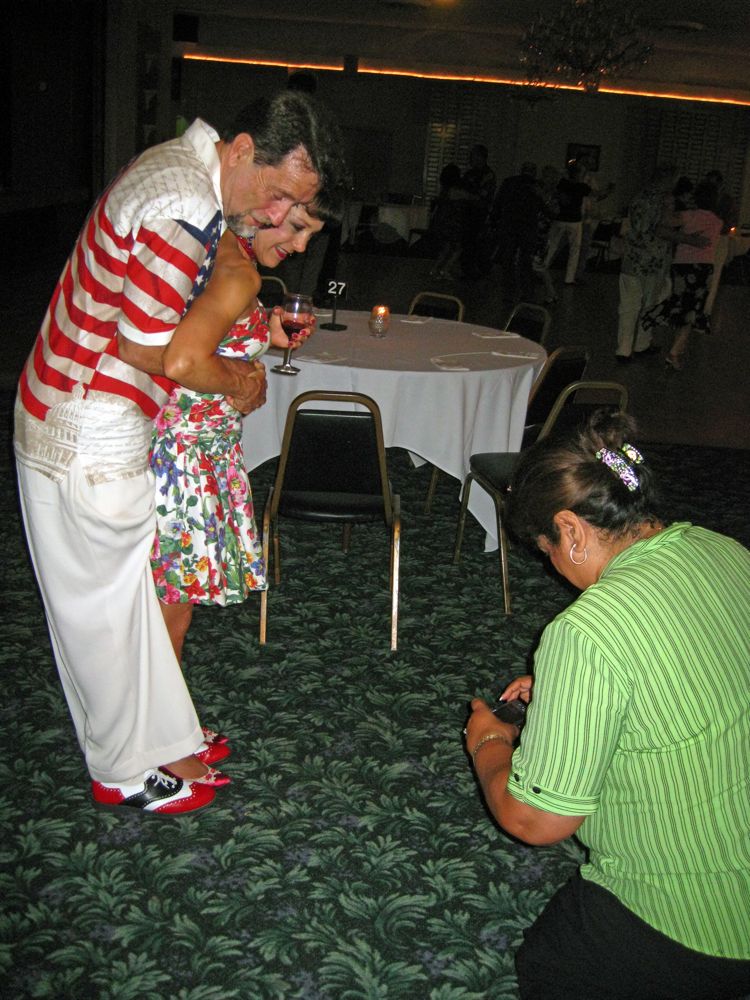
Vicky prays to the Goddess Of Shoes
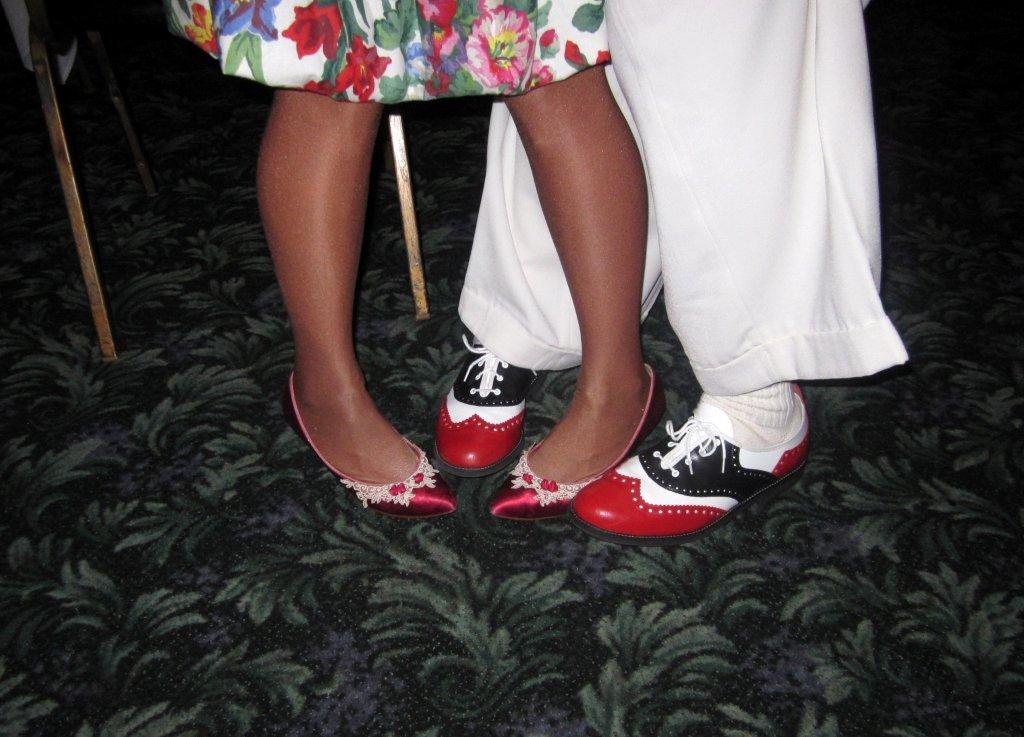
Imelda Marcos... Eat your heart out
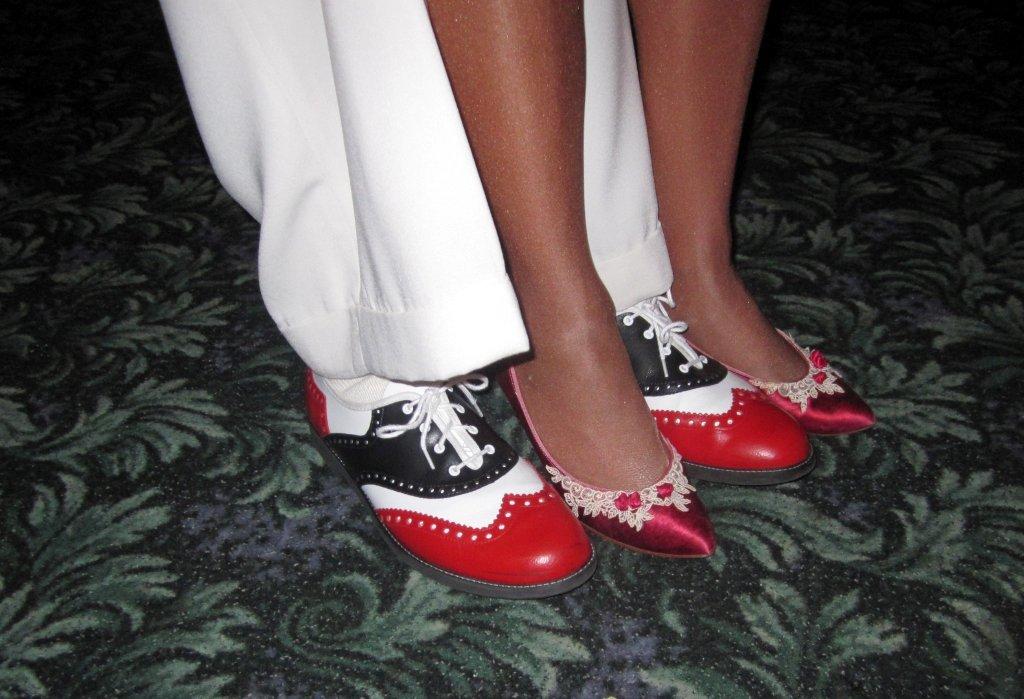
Which ones are Bob's???
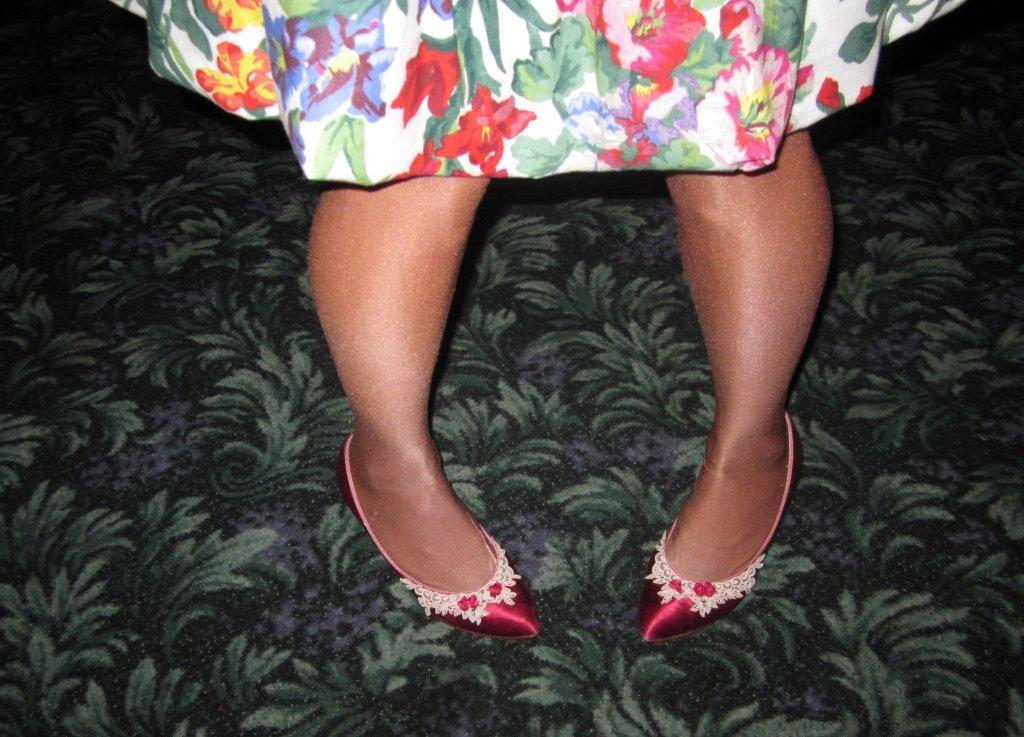
do NOT click the heals together for it could bring an end to the world as we know it!
The Signs Say It All
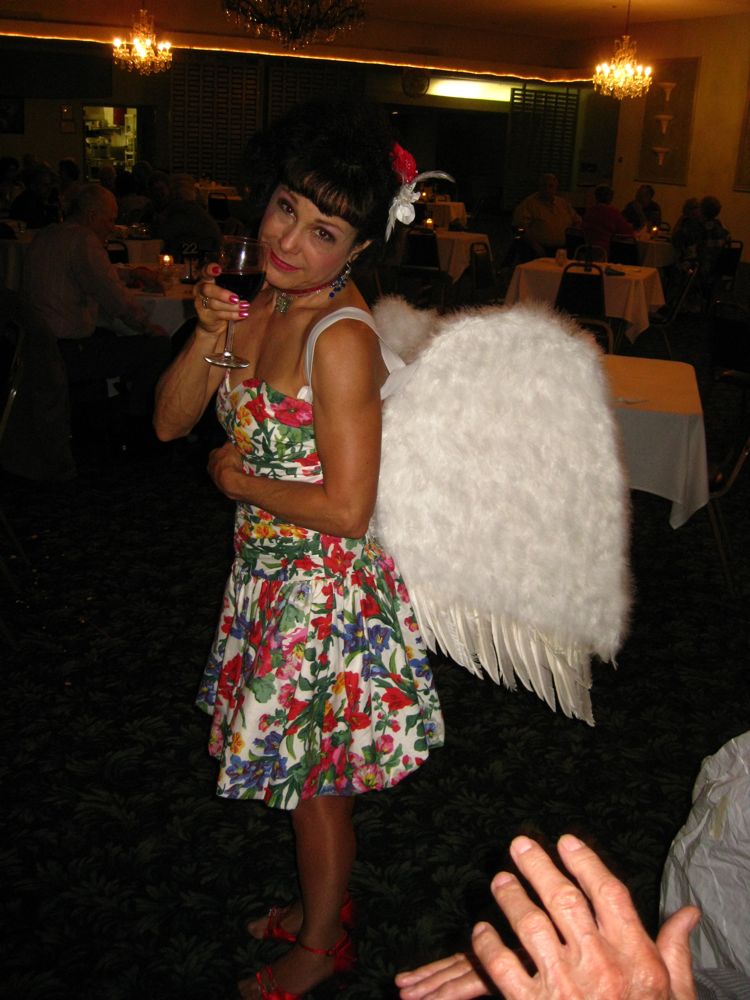
The cavorting was beginning to reach a fever pitch when all of a sudden an angel appeared!


"OMG... I need another drink!"
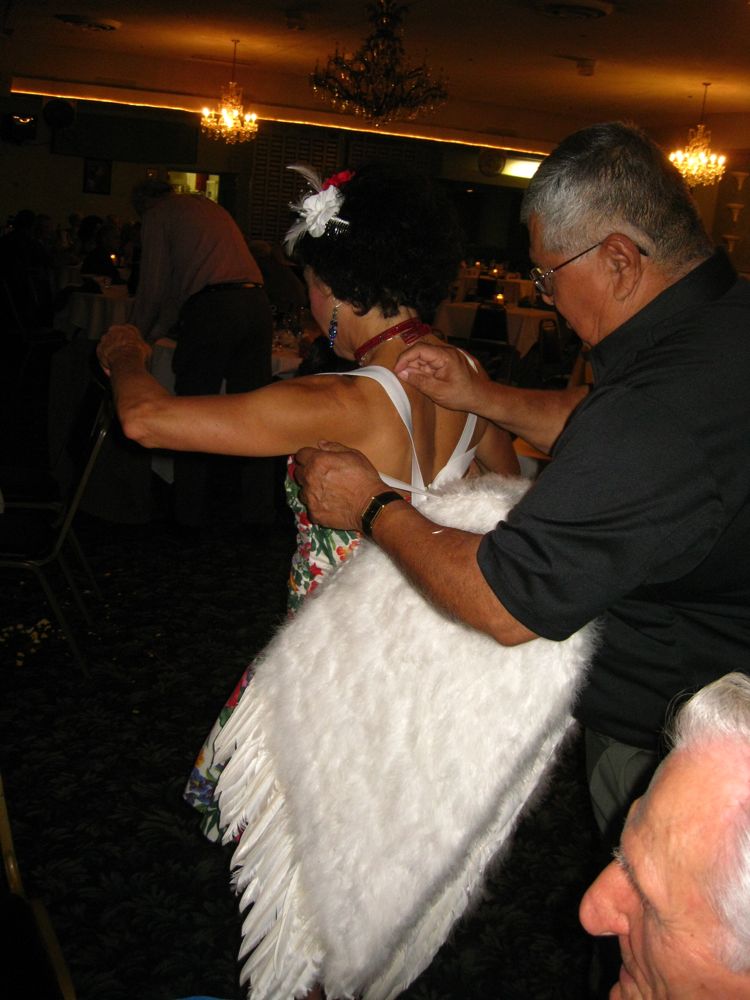
Ray makes Donna into an angel... Well, she was already! He just provided
the acoutraments!
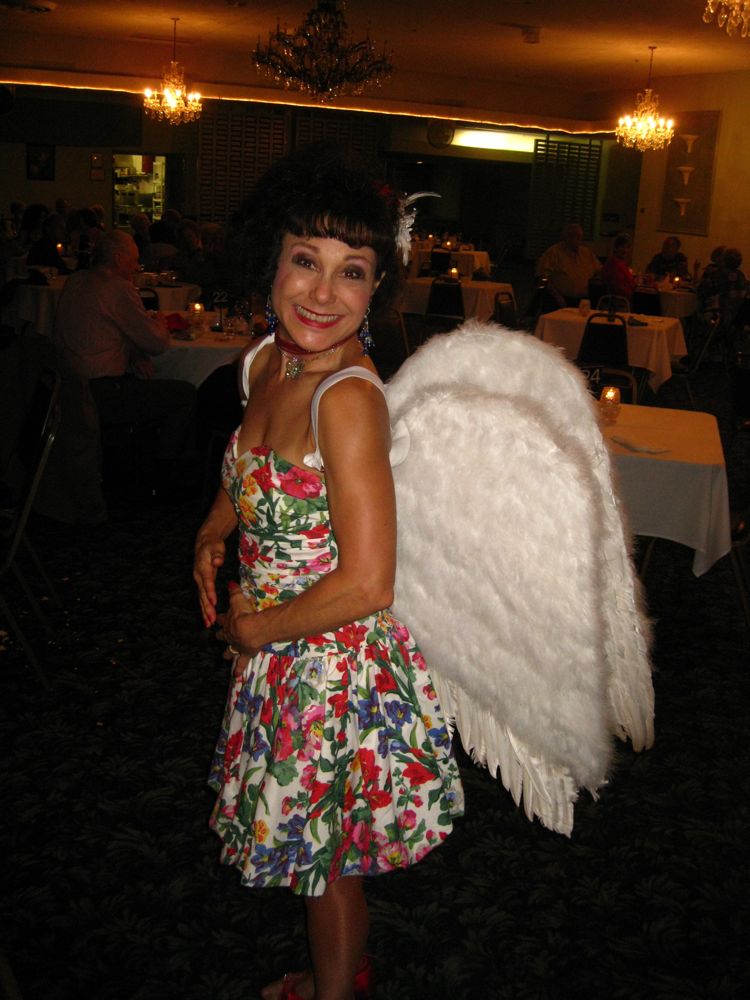
So... This is what a flapper looks like!?
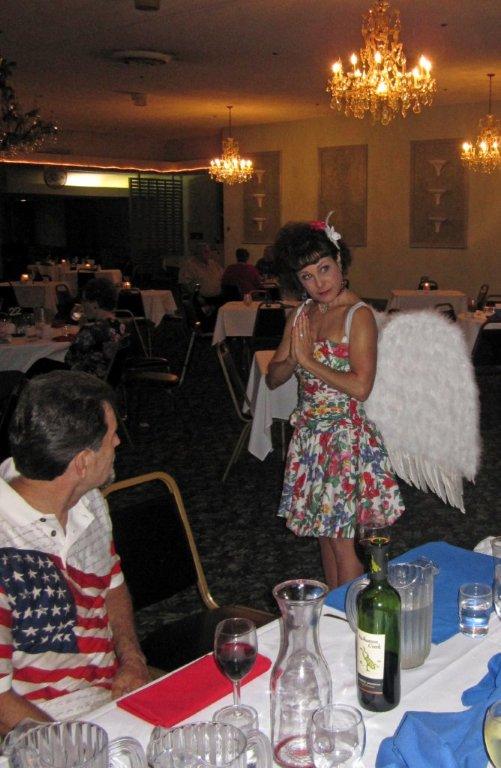
Only Vicky could take a picture of an angel
with empty wine bottles in the foreground!
Did you know? - Angels are messengers of God in the Hebrew Bible (translating מלאך), the New Testament and the Quran. The term "angel" has also been expanded to various notions of "spiritual beings" found in many other religious traditions. Other roles of angels include protecting and guiding human beings.
The theological study of angels is known as angelology. In art, angels are often depicted with wings, ultimately reflecting the descriptions in the Hebrew Bible, such as the chayot in Ezekiel's Merkabah vision or the Seraphim of Isaiah.
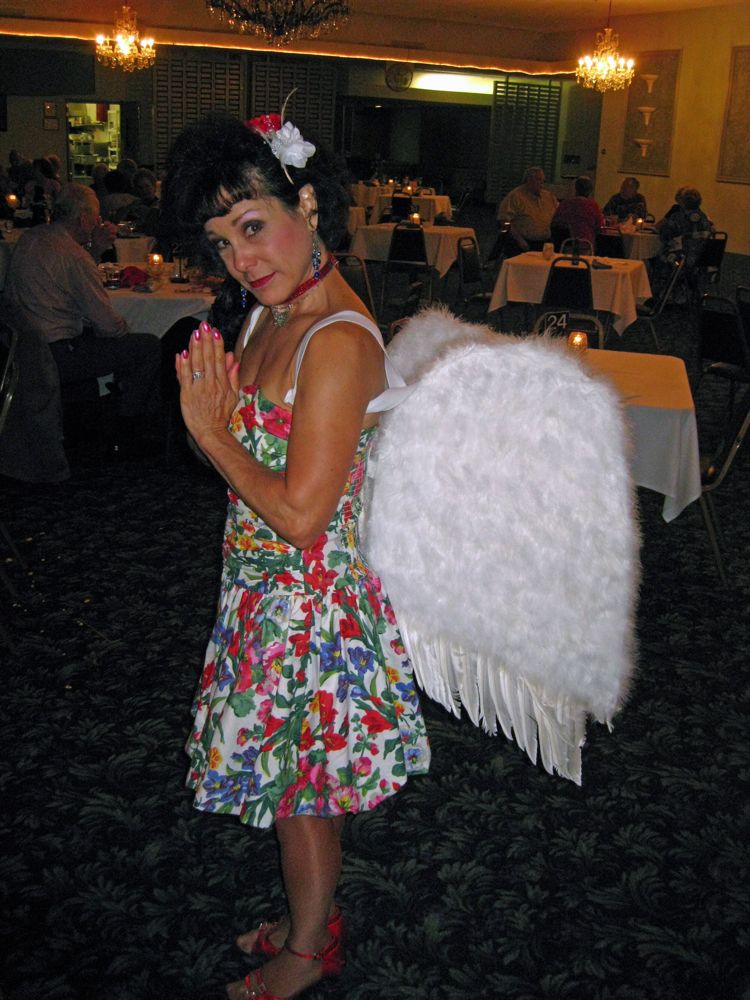
In a word.... Hubba Hubba Hubba
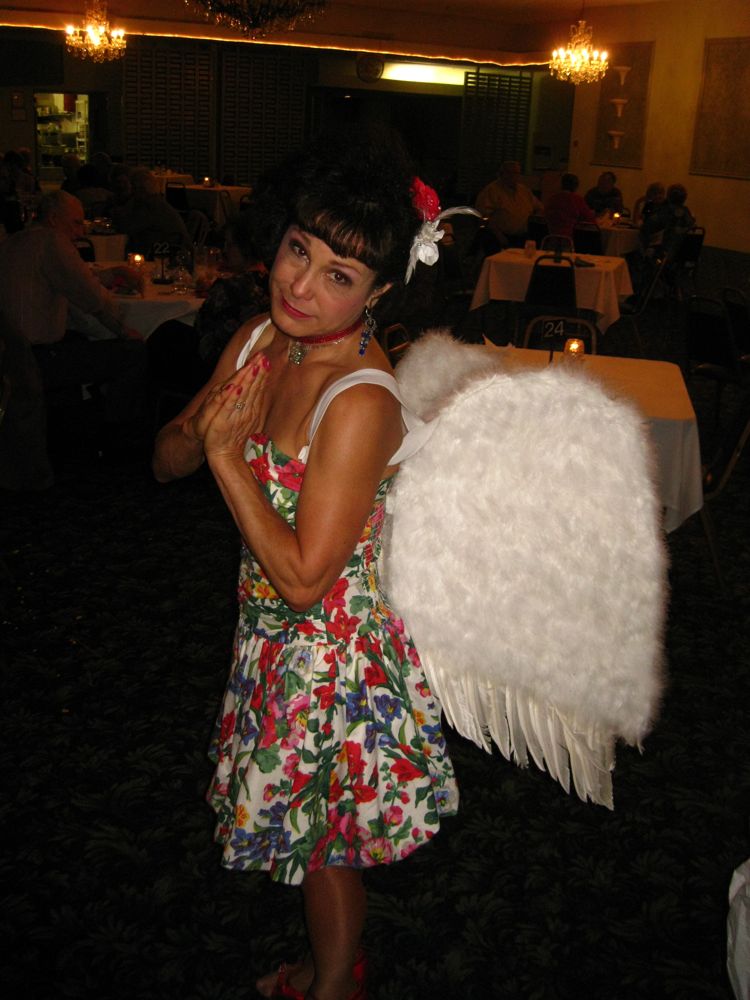
I'll be a good girl!
hic!
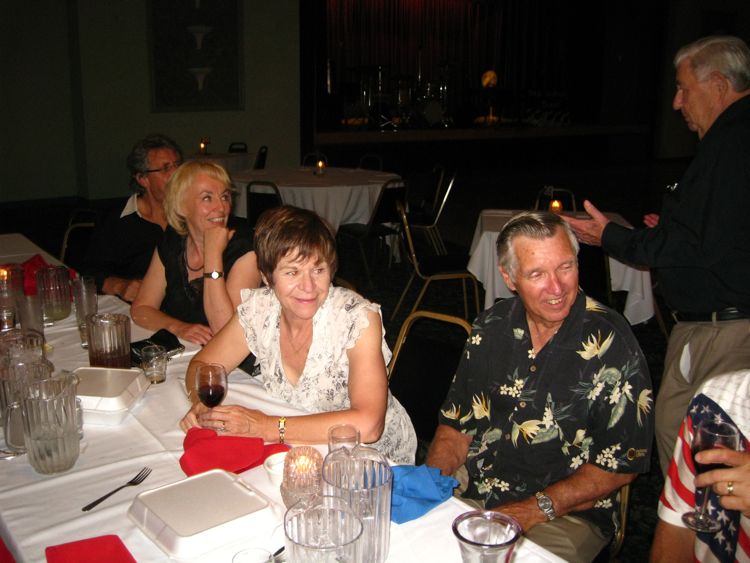
"Do you think people are looking at us?"
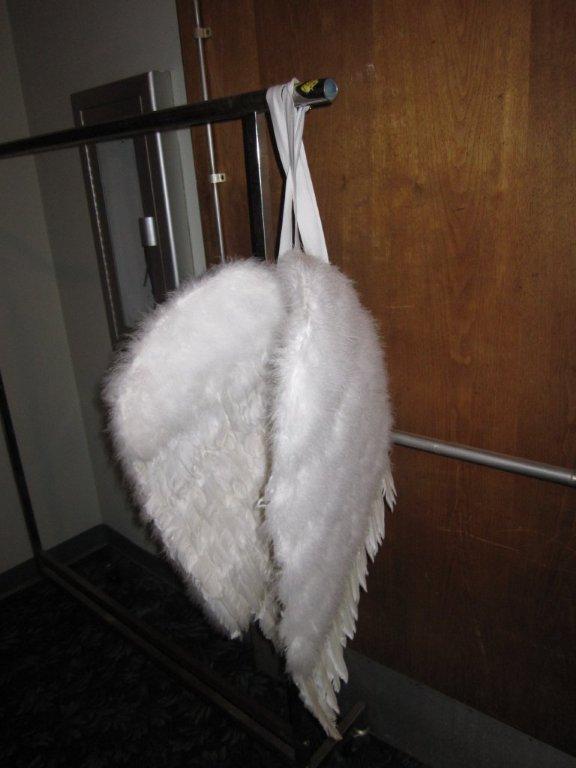
Awe.... She has flown the coop!
The Styrofoam Container... So Entertaining For Adults
Did you know? - In 1941, researchers in Dow's Chemical Physics Lab found a way to make foamed polystyrene. Led by Ray McIntire, they had "rediscovered" a method first discovered by Swedish inventor Carl Georg Munters. Dow acquired exclusive rights to use Munter's patents and found ways to make large quantities of extruded polystyrene as a closed cell foam that resists moisture. Because of its insulating properties and buoyancy, it was adopted in 1942 by the U.S. Coast Guard for use in a six-person life raft. Styrofoam can be used for building materials, including insulated sheathing, pipe insulation and floral and craft products. Styrofoam insulation has been used in many notable buildings and facilities in North America. The Dow insulation product can be identified by its distinctive blue color; Styrofoam for craft applications is available in white and green.


Even a full glass of wine left us wondering about a caption for this one!

Quick... Change the channel
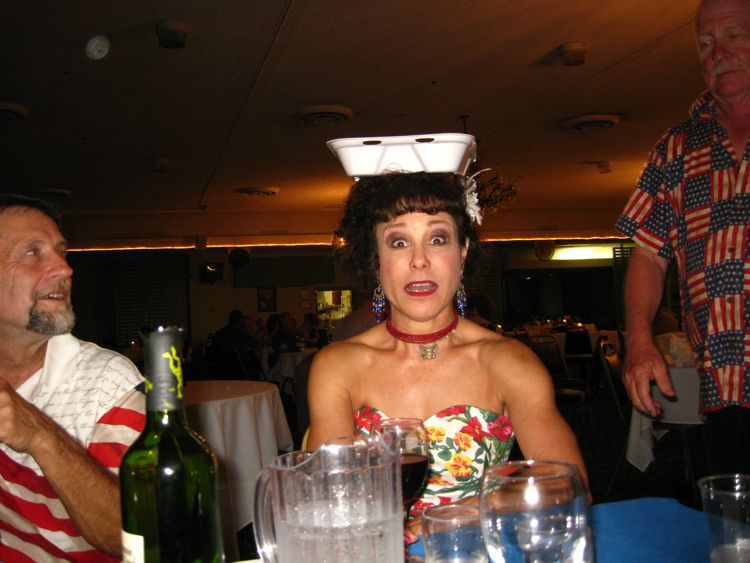
It complements my outfit!
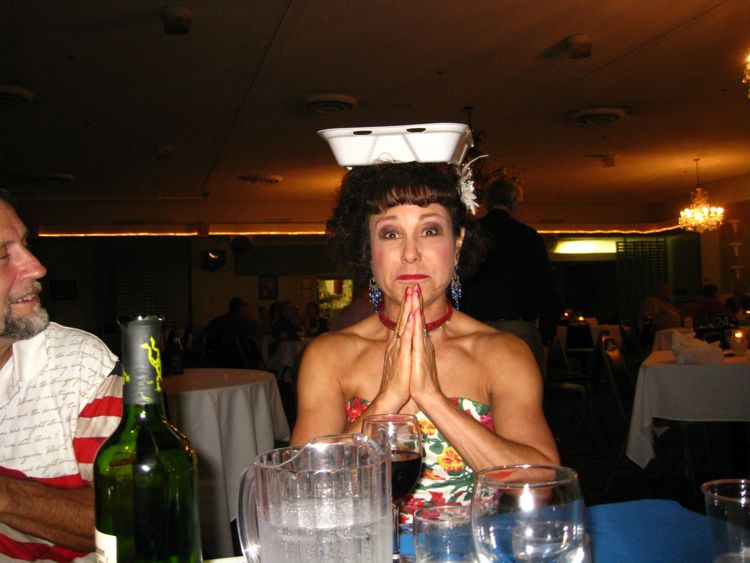
No Donna... Your wings are missing!
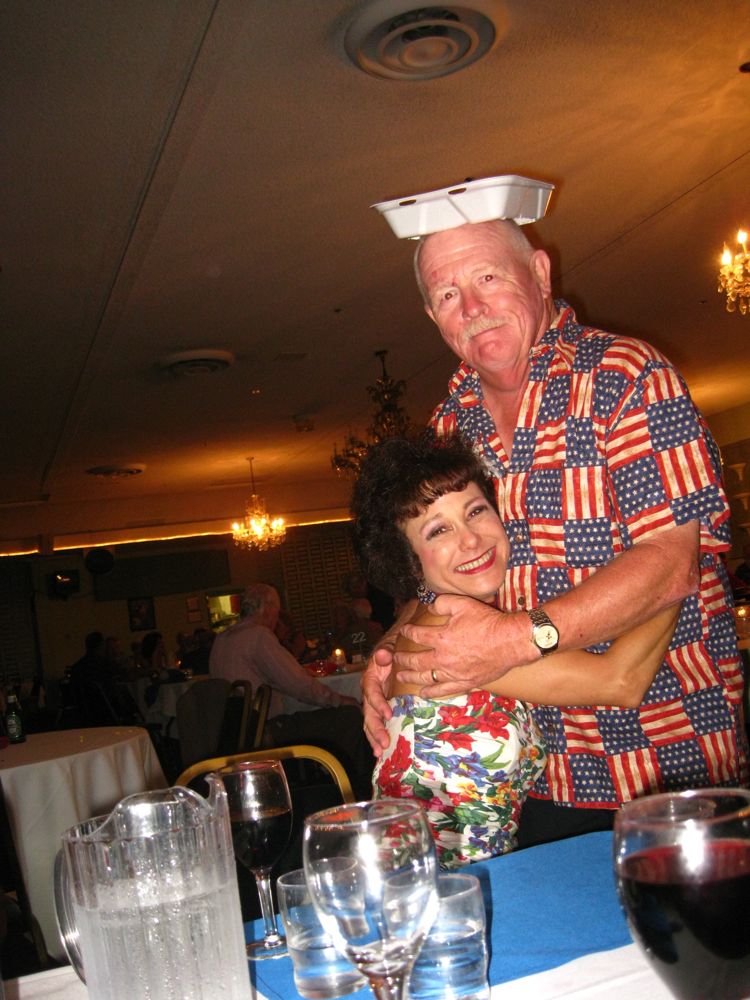
I'll help hold him upright cause the least little motion that hat will come off!
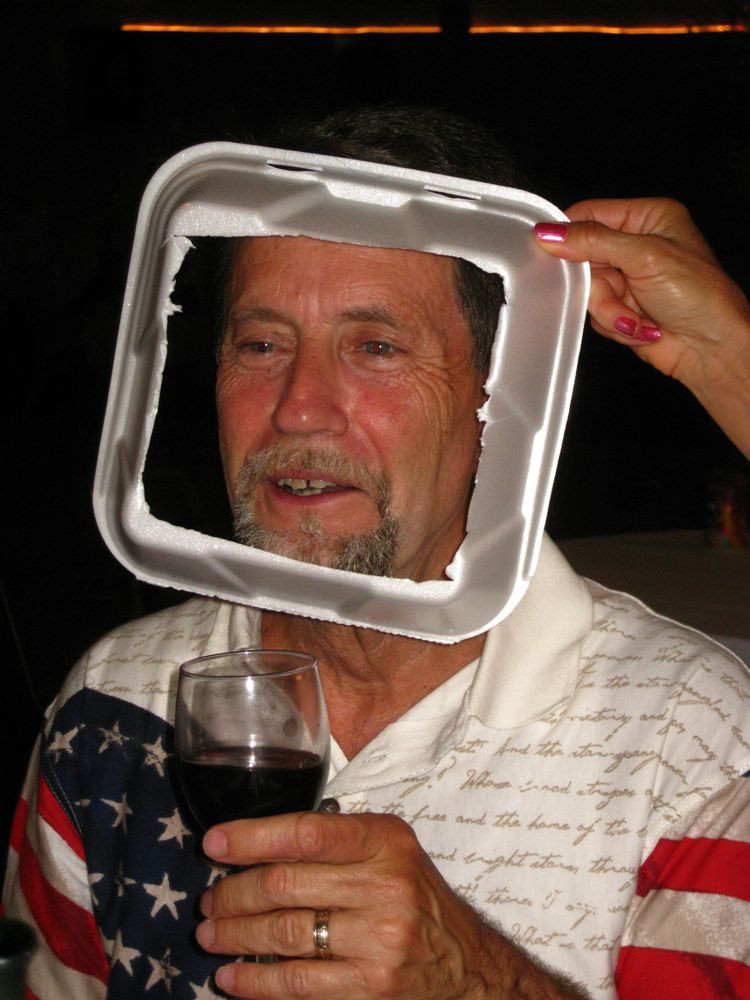
Framed again!
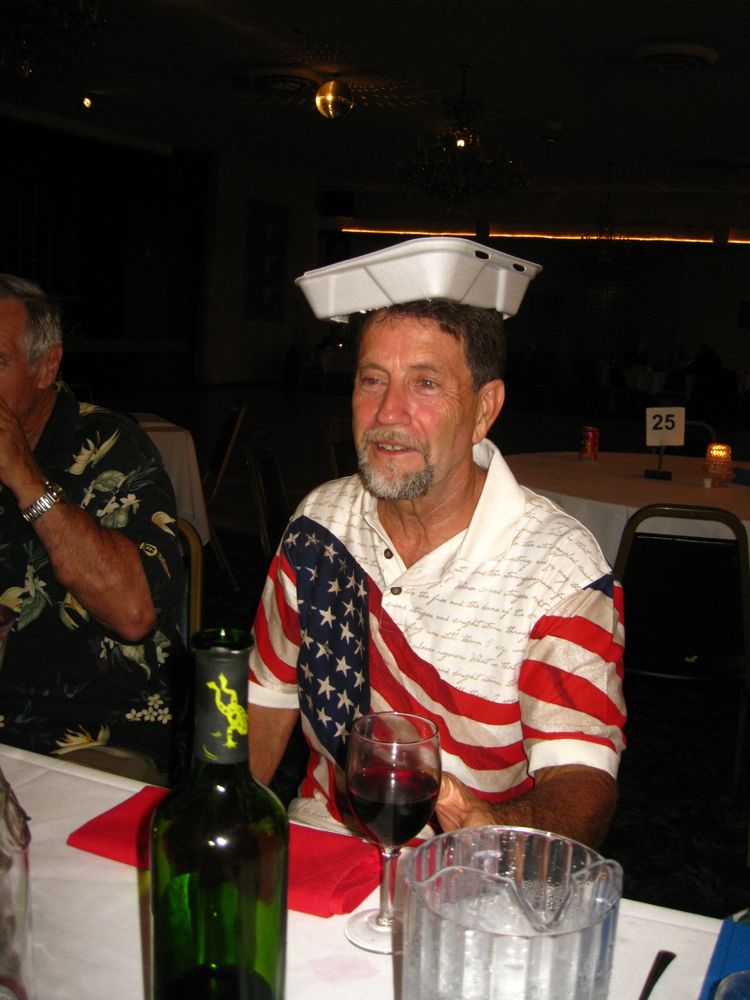
Good fit... Size large
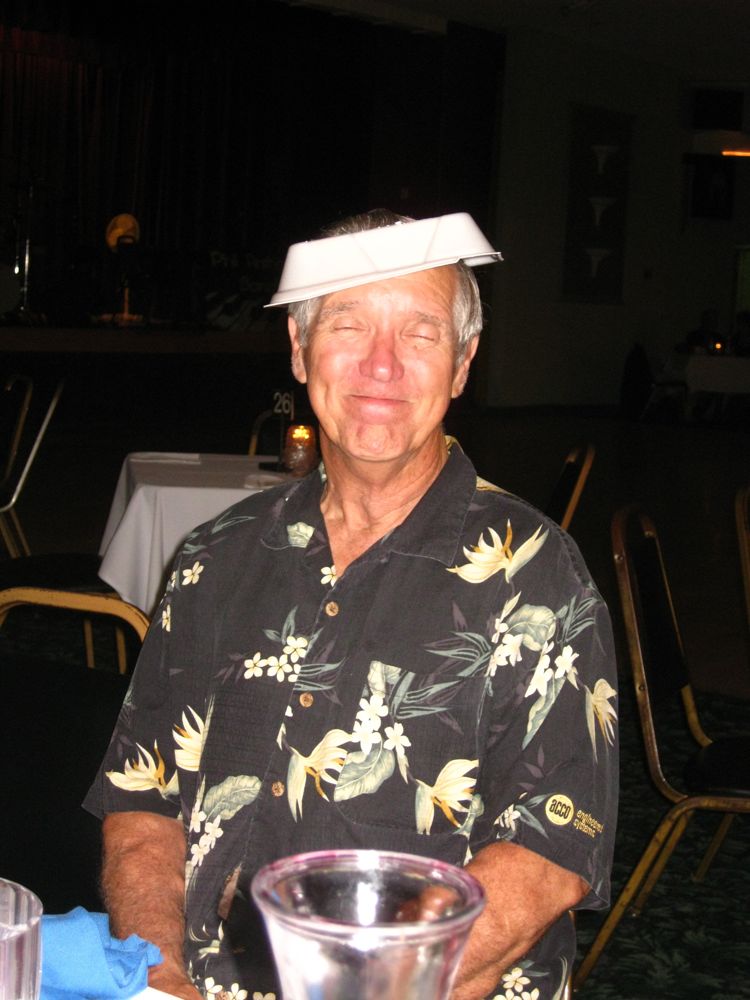
Ed... He is a natural
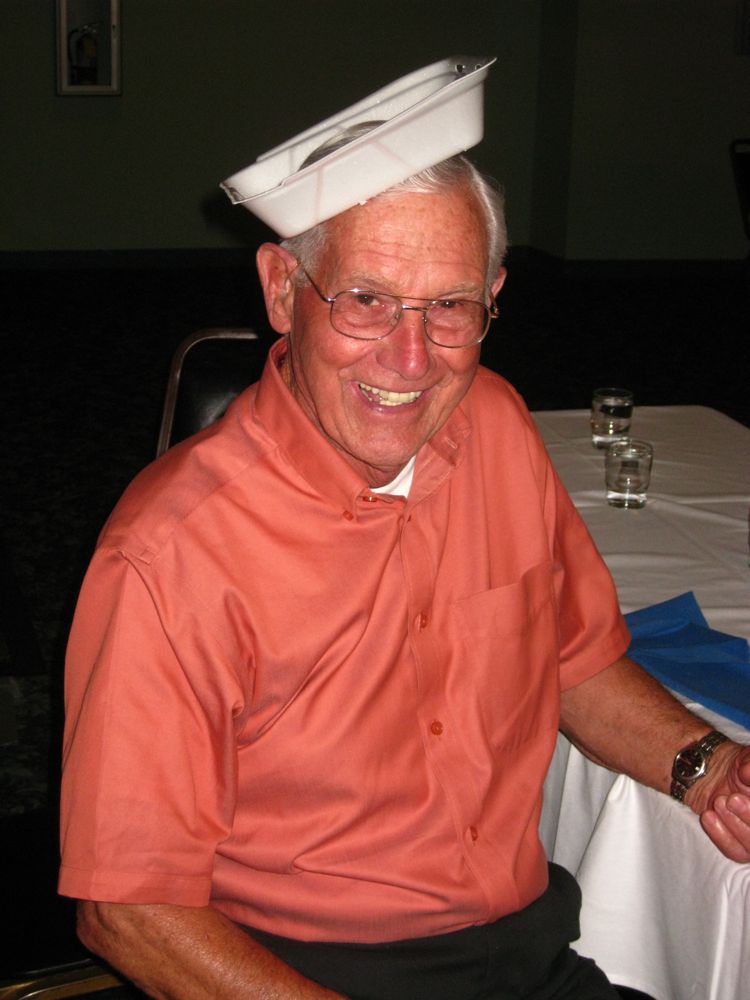
Sailor boy
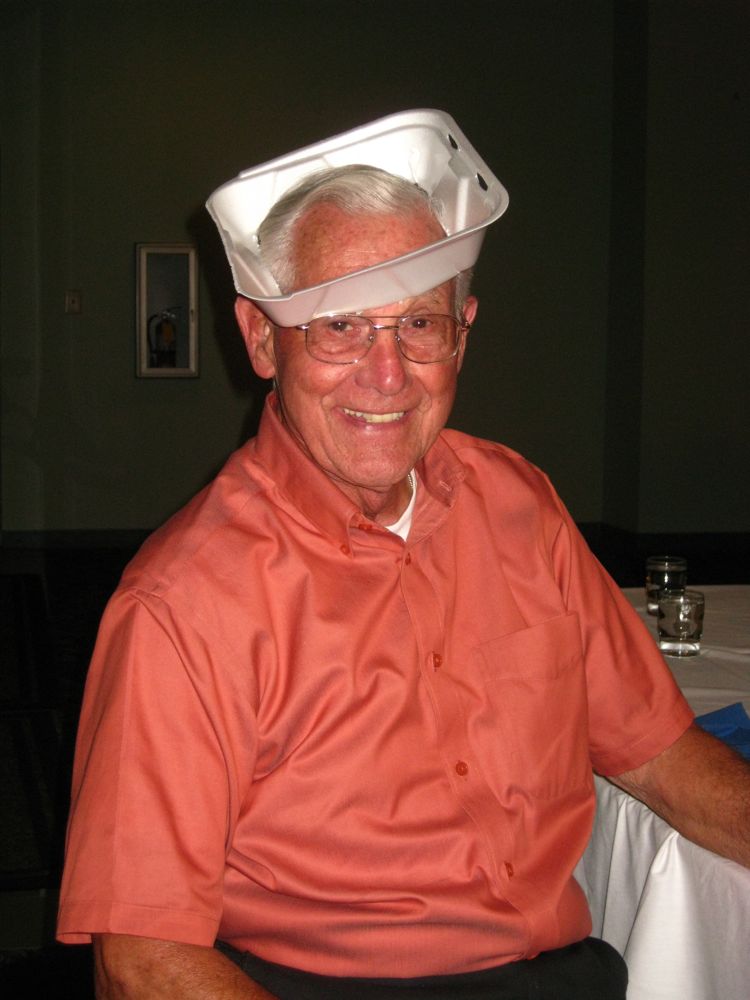
Cock that cap forward
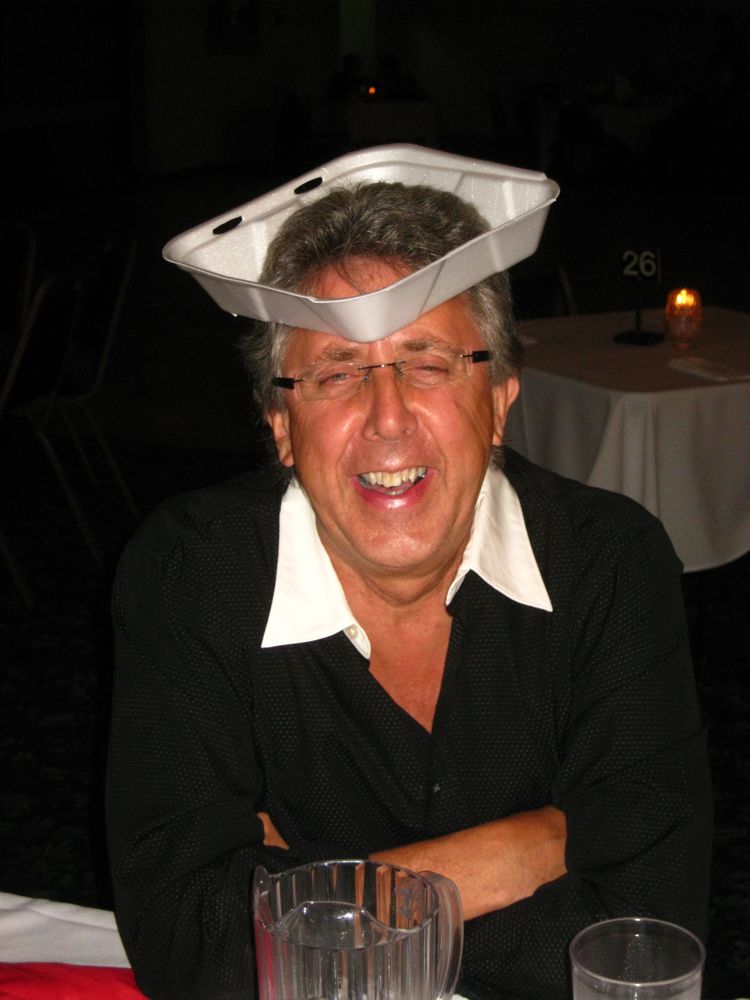
Brian will not be outdone

Dang.. A fashion statement if I ever saw one!
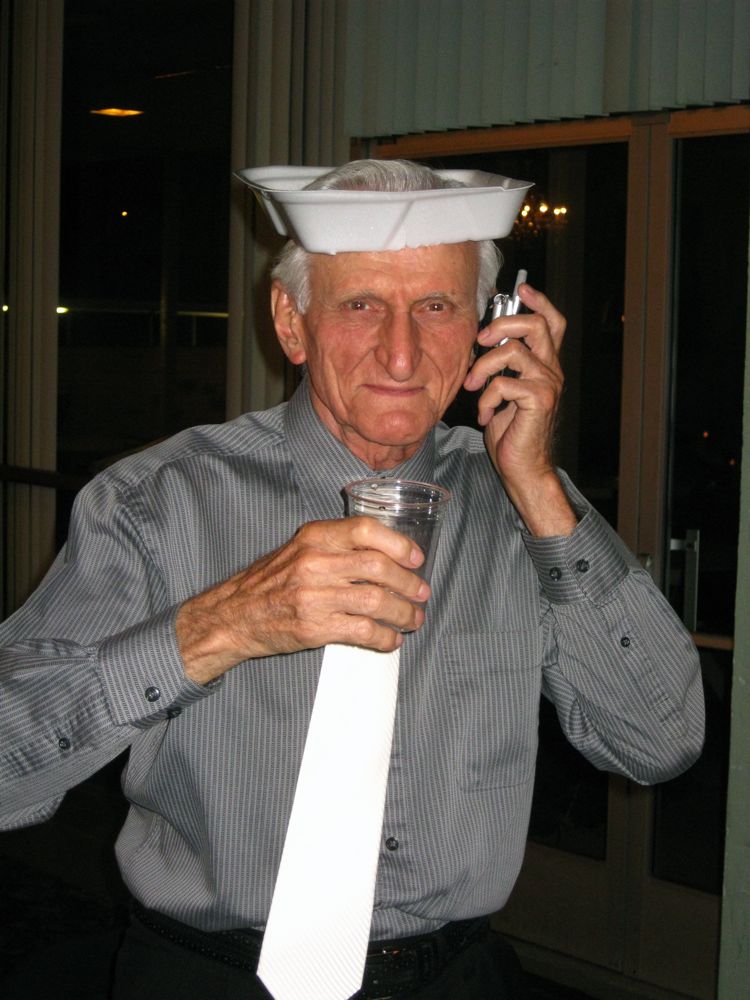
Bob demonstrates how he can do two things at one time
Time To Cool off!
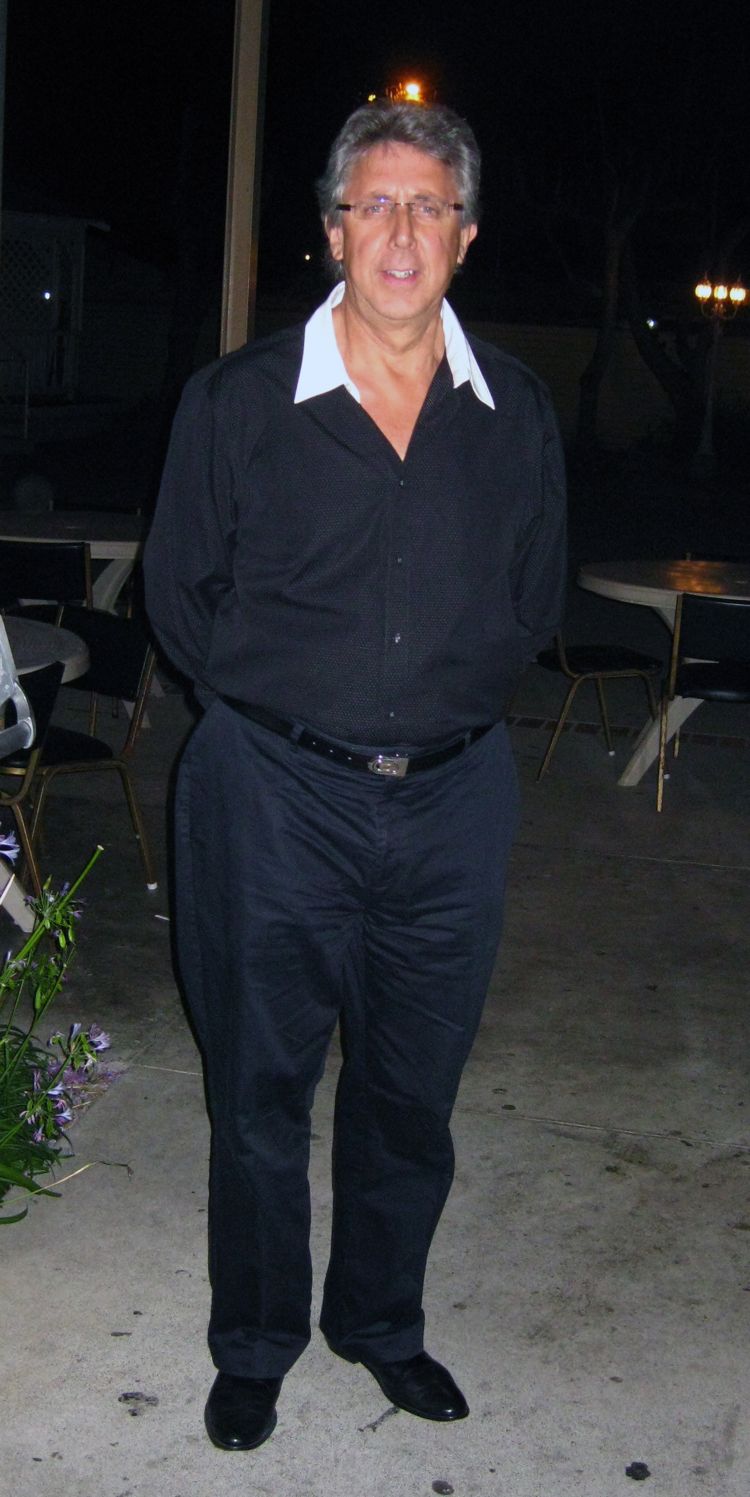
You can see a little flash going off inside his hear
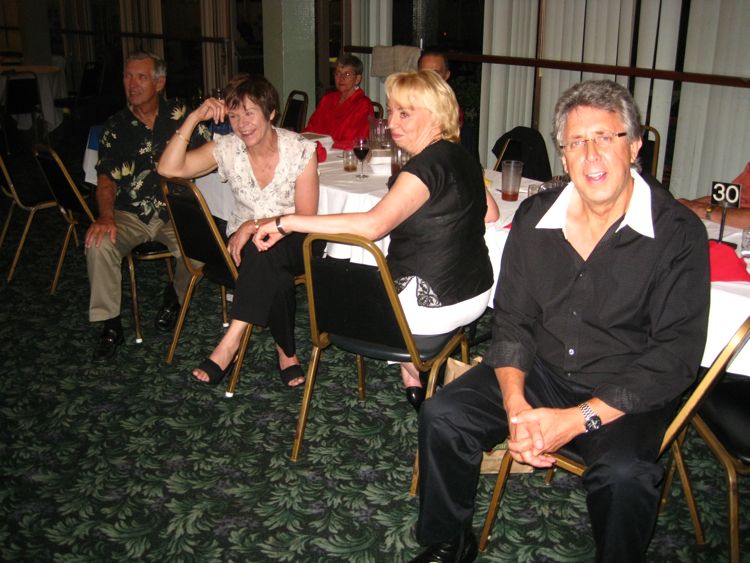
Are we the last ones here again???
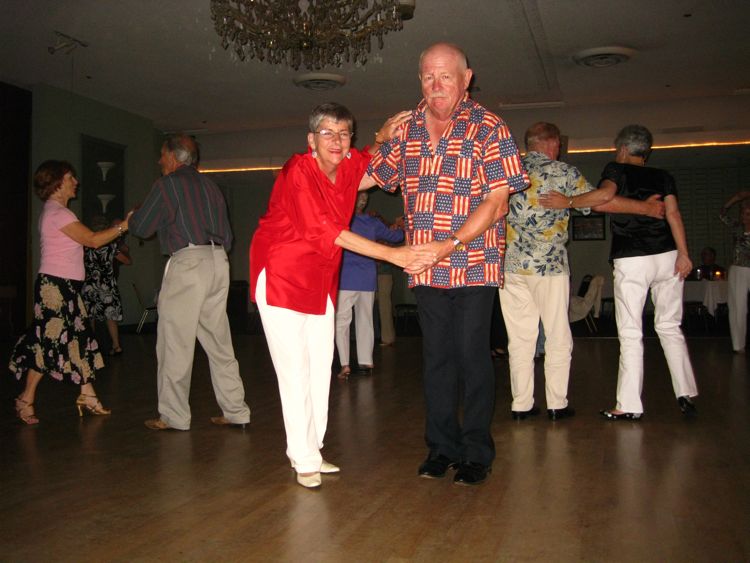
Swing time
Time To Head For The Barn
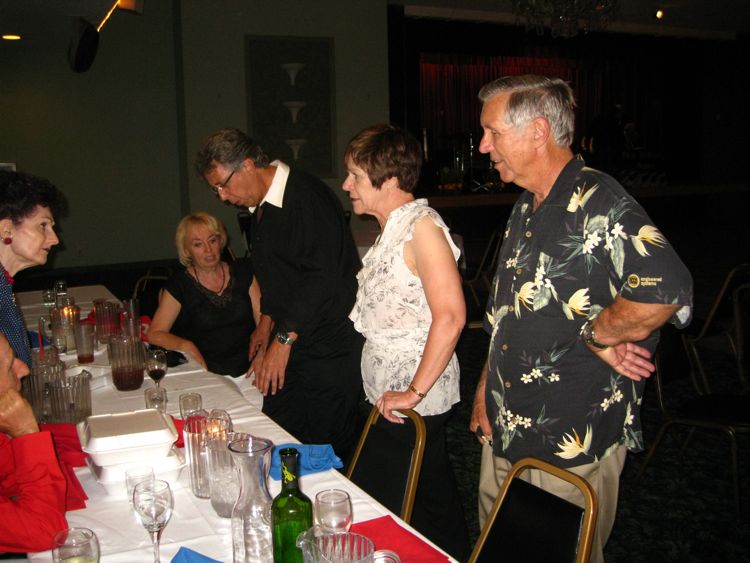
See you Thursday! Next Friday?
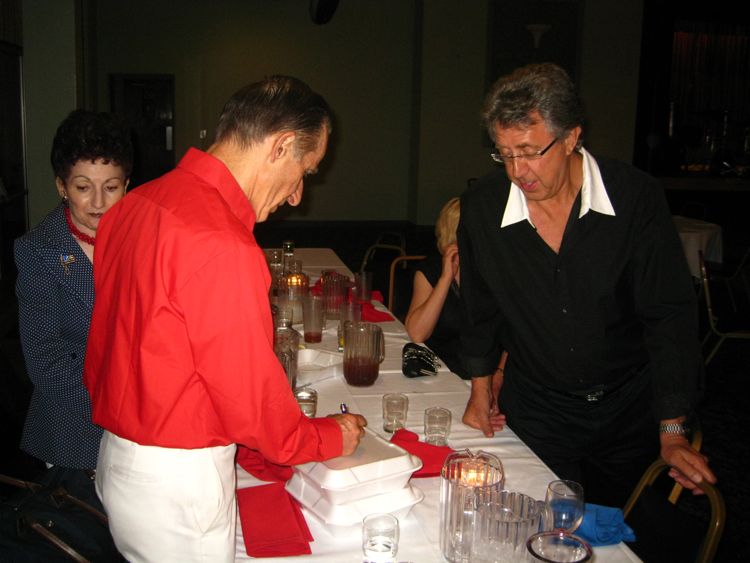
We could say goodbye all evening long!
Did you know? - In English, there are formal and informal ways of saying goodbye. In day-to-day speech, middle-class people also sometimes use foreign parting phrases like Ciao , Arrivederci, Au revoir, Adieu, Auf Wiedersehen, Tschüss, Hasta la vista, Hasta mañana, Sayonara.
- "All the best", "Best"
- "Break a leg"
- "Catch ya later", "Catch you later", "Catch ya", "Check ya later"
- "Cheerio", "Cheers"
- "Don't do anything I wouldn't do!"
- "Farewell" or formally "Fare thee well" (archaic)
- " Godspeed "
- "Good-bye", "Bye", "Bye-bye" ("Good-bye" is a shortened form of " God be with Ye".)
- "Good day", "Good day to you", "I say good day to you sir"
- "Good luck"
- "Goodnight"
- "Have a good one"
- "Have a nice day"
- "Have fun" (Colloquial, primarily British English)
- "Keep it relevant"
- "K-Den" ("Okay then" [Hawaii pidgin]
- "See you later, alligator", or less formally "Later gator" (to which the response is often "In a while, crocodile")
- "Peace" or "Peace out"
- "See you later", "See you", "See ya", "Later" (colloquially, "Laters" or "S'later")
- "See you on the flip side", "Catch you on the flip side"
- "Shoots" or "Shoots 'den" [Hawaii pidgin]
- "So long"
- "Spot you later", "Spot ya", "Spotcha"
- "Stay up" or "Stay strong" (Colloquial) [Parting phrase spoken to inspire perseverance or used as a term of consolation upon closure to a social affair.]
- Ta-da (informal)
- Ta-ra (informal)
- "Ta Ta" (informal), TTFN (Ta ta for now)
- "Take it easy"
- "Take care"
- "Talk to you later"
- "Tootles" "Toodaloo" "Toodledoo" (from the French phrase à tout à l'heure)

The last salute

How dry I am!
OMG... We Did Close The Place Down
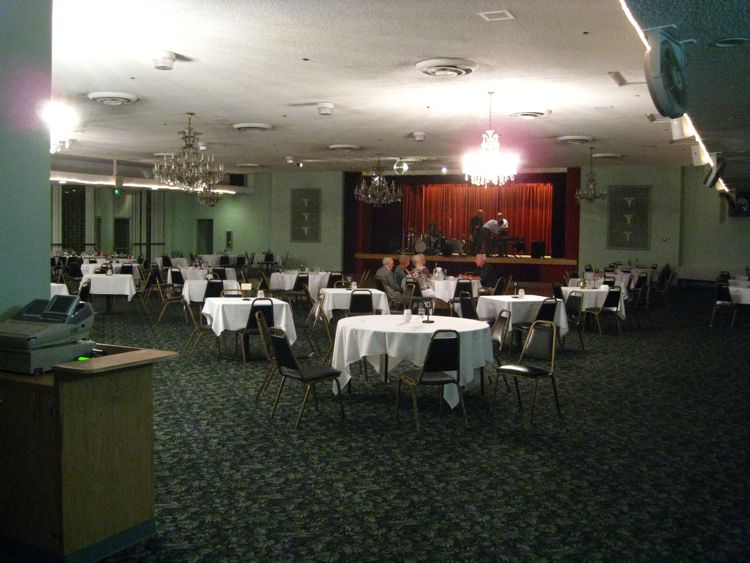
Empty!
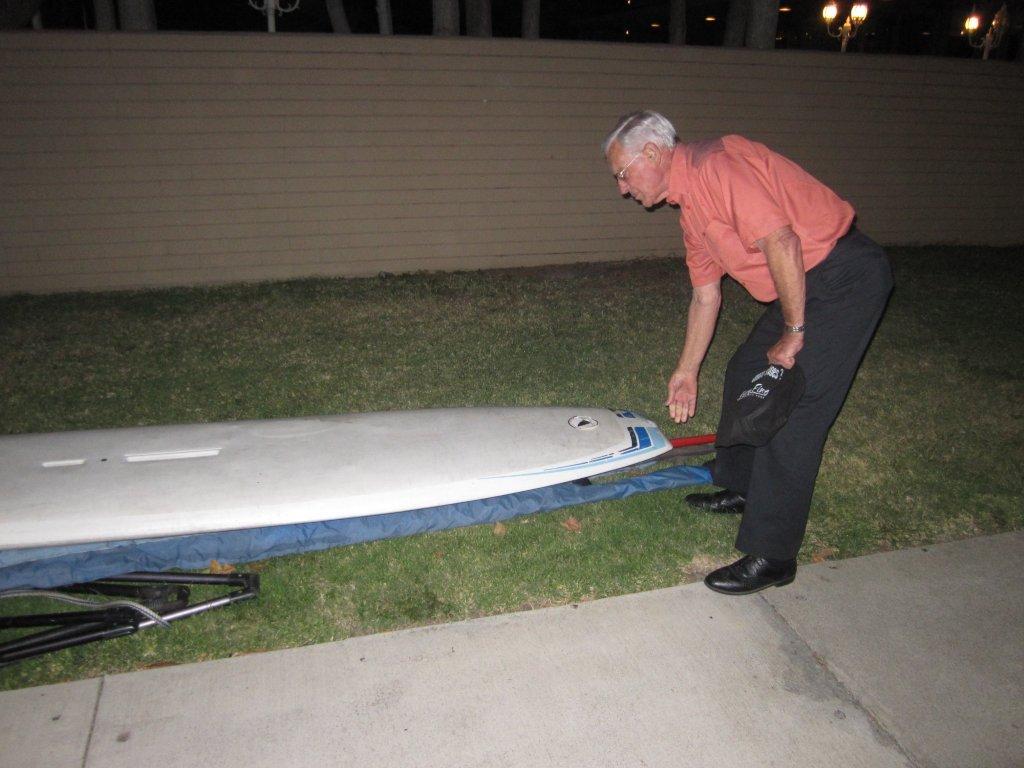
Del saw a treasure on the way out. Needed for his woodie station wagon...
He asked Vicky and she said...

Vicky spoke!
Sarge Was Guarding The House When We Got Home